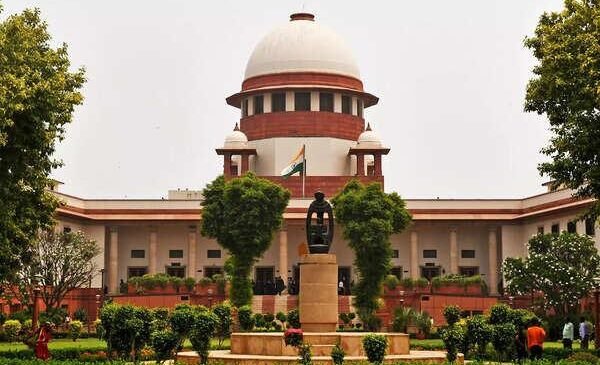
The ongoing Special Intensive Revision (SIR) of electoral rolls in West Bengal came under scrutiny on Monday when Joymalya Bagchi, a judge of the Supreme Court of India, raised concerns over the process being followed by the Election Commission of India (ECI).
During the hearing, Justice Bagchi emphasized the need for a robust appellate mechanism to handle complaints from voters whose names were removed during the revision exercise. He observed that the Commission appears to have introduced a new category called “Logical Discrepancy” in West Bengal, which he suggested deviates from how the SIR was carried out in other states, including the approach taken in Bihar.
The judge noted that officials responsible for adjudicating voter-list disputes are working under severe pressure, often processing more than a thousand documents a day. In such circumstances, even achieving around 70% accuracy could be considered commendable, he said. This heavy workload, he argued, makes a dependable appeals process essential for fairness.
Justice Bagchi also raised concerns about how the exclusion of voters could affect election outcomes. He pointed out that if the margin of victory in an election is very small—say 2%—but around 15% of eligible voters are unable to vote, it could raise serious questions about the fairness of the result. While clarifying that the court was not expressing a final view on such scenarios, he stressed that these issues merit careful consideration.
He further highlighted that, while the unfair denial of a person’s right to contest an election can be grounds for setting aside an election, the law does not automatically treat voter exclusion as grounds for invalidation unless it significantly affects the result.
The court’s remarks underscore growing concerns about the accuracy, transparency, and fairness of the voter roll revision process in West Bengal.