
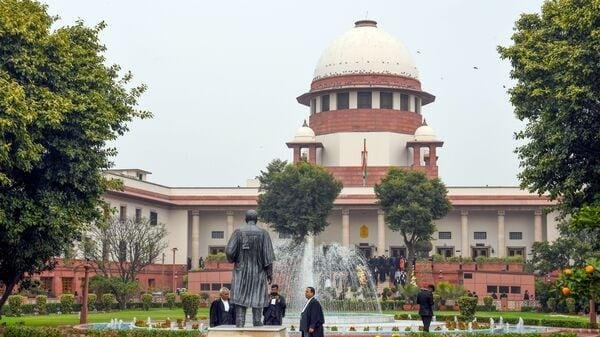
The Supreme Court has declined to grant temporary voting rights to individuals whose names were removed from West Bengal’s voter list during the Special Intensive Revision (SIR) process. The decision comes as thousands of appeals challenging these deletions remain pending before appellate tribunals.
During the hearing, a plea was made to allow affected voters to participate in the upcoming two-phase Assembly elections. Trinamool Congress leader Kalyan Banerjee argued that nearly 1.6 million people have filed appeals and should not be denied their right to vote while their cases are still unresolved.
However, Chief Justice of India Surya Kant rejected this request, stating that granting such relief would be inappropriate. He emphasized that allowing individuals with disputed eligibility to vote could undermine the integrity of the electoral process.
Justice Joymalya Bagchi also highlighted the scale of the issue, noting that approximately 3.4 million appeals have been filed in connection with the voter list revision. According to reports, around 27 lakh cases are currently under review by multiple appellate tribunals set up across the state.
The Election Commission of India (ECI) has already finalized and frozen the electoral rolls for the upcoming elections. As a result, no new names can be added unless the Supreme Court issues specific directions, which it chose not to do in this case.
The court’s ruling came in response to a petition filed by a group of individuals who alleged that their names were removed without proper due process. They also claimed that their appeals were not being addressed in a timely manner. However, the court described the petition as “premature,” pointing out that the petitioners had already approached the designated tribunals.
Senior counsel representing the Election Commission informed the court that between 30 to 34 lakh appeals are currently pending. Despite concerns raised by petitioners about delays, the bench stressed the importance of following due legal procedures.
Justice Bagchi underscored the significance of voting rights, calling them not only constitutional but also deeply emotional, as they reflect an individual’s participation in democracy. At the same time, he cautioned against overburdening tribunals with strict deadlines, noting that due process must be preserved.