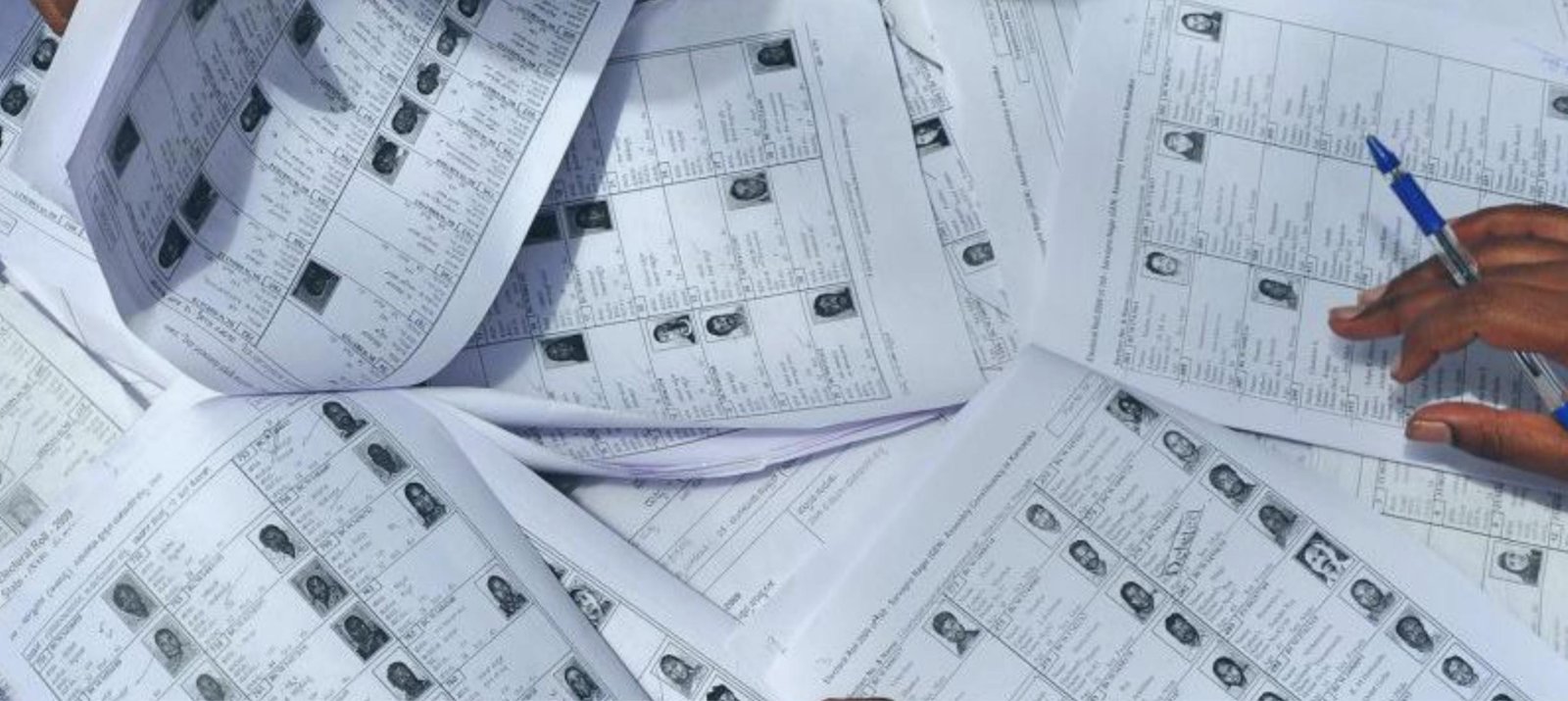
The Supreme Court of India has raised serious concerns regarding the ongoing Special Intensive Revision (SIR) of electoral rolls in West Bengal. Justice Joymalya Bagchi questioned the implications of large-scale voter deletions, especially in cases where election results are decided by narrow margins.
During the hearing, Justice Bagchi highlighted a critical issue: if a constituency is decided by a margin of just 2%, but nearly 15% of voters are unable to cast their votes due to deletion from the electoral rolls, it could significantly affect the fairness of the electoral process. He stressed that such a situation raises serious questions about democratic representation.
The court emphasized the need for a strong and effective appellate mechanism to address grievances of individuals whose names have been removed from voter lists. According to the bench, affected voters must have a fair opportunity to challenge such deletions and ensure their rights are protected.
Concerns were also raised about the approach taken by the Election Commission of India. Justice Bagchi noted that the procedure followed in West Bengal appears to differ from the approach previously adopted in Bihar, indicating possible inconsistency in handling electoral roll revisions across states.
The matter came up during ongoing proceedings before a nine-judge Constitution bench, which is also hearing other significant constitutional issues. The bench, led by Chief Justice Surya Kant and comprising several senior judges, is examining broader questions related to constitutional rights and electoral processes.
Legal experts believe that the observations made by the court could have wider implications for how electoral roll revisions are conducted across the country. Ensuring transparency, consistency, and fairness in voter registration is seen as essential to maintaining the integrity of elections.
The case highlights the importance of safeguarding voting rights and ensuring that administrative processes do not inadvertently disenfranchise eligible voters. The court’s final decision is expected to play a crucial role in shaping future electoral practices in India.