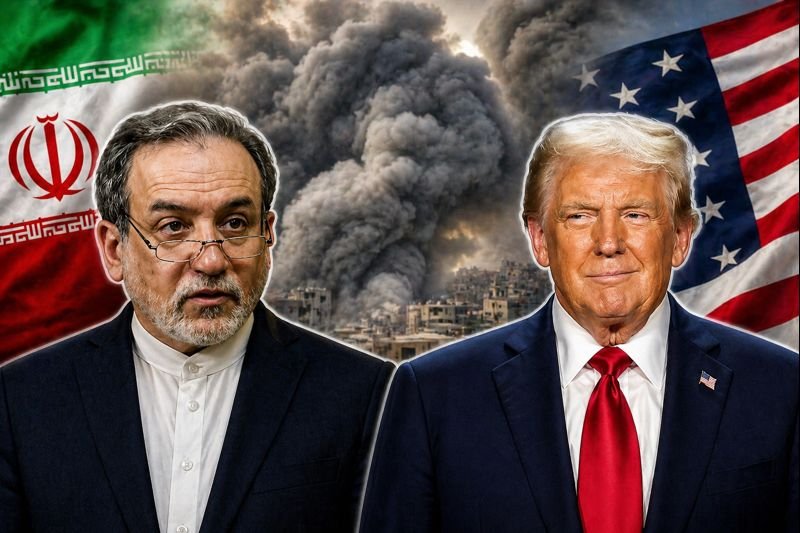
Iran has reportedly presented a new diplomatic proposal to the United States aimed at easing tensions in West Asia, focusing first on reopening the strategically crucial Strait of Hormuz and ending the ongoing conflict before addressing more complex nuclear issues. The proposal, conveyed through Pakistani mediators, comes at a time when negotiations between the two nations have reached a stalemate.
According to reports, Iran’s plan follows a two-step approach. The immediate priority, Tehran suggests, should be restoring normal operations in the Strait of Hormuz and ending the current hostilities. Only after stabilizing the situation and lifting restrictions, including the US-imposed blockade, would both sides return to discussions on Iran’s nuclear program. This sequencing indicates Iran’s intent to separate urgent geopolitical and economic concerns from long-term strategic disagreements.
The Strait of Hormuz is one of the world’s most critical maritime chokepoints, with nearly 20% of global oil supplies passing through it. Disruptions in this region have already caused significant fluctuations in global energy markets. Iran’s influence over this vital route has given it leverage in ongoing negotiations, while the US blockade on Iranian ports has further intensified the situation.
The United States, however, has maintained firm conditions regarding Iran’s nuclear activities. Washington has insisted that Tehran halt uranium enrichment for an extended period, potentially up to a decade, and relocate its existing nuclear materials outside the country. These demands have proven to be major sticking points. Iranian officials, including Foreign Minister Abbas Araghchi, have indicated that there is no unified stance within Iran’s leadership on how to respond to these requirements.
The new proposal also includes options for extending the current ceasefire or establishing a more permanent resolution to the conflict. Although large-scale military actions have subsided since late February following coordinated US-Israeli strikes, a formal agreement to end the war has not yet been reached. The prolonged uncertainty continues to affect regional stability and global markets.
US President Donald Trump has expressed skepticism about the current state of negotiations. He recently remarked that there is little value in sending American negotiators on long-distance trips when discussions can be handled remotely. He also reiterated that Iran must not be allowed to develop nuclear weapons, signaling that Washington’s core concerns remain unchanged.
Meanwhile, Iran has been actively engaging with multiple international players. Abbas Araghchi has been holding discussions with mediators in Pakistan and Oman and is expected to consult with Russian President Vladimir Putin as part of broader diplomatic efforts. Tehran is also demanding assurances from the US, including guarantees against future military actions, compensation for damages, and a revised legal framework governing the Strait of Hormuz.
Despite these efforts, significant gaps remain between the two sides. The US continues to push for limitations not only on Iran’s nuclear program but also on its missile development and its support for regional groups such as Hezbollah and Hamas. These broader demands complicate the negotiation process further.
At this stage, it remains unclear whether Washington is willing to consider Iran’s latest proposal. However, the initiative highlights Tehran’s attempt to shift the focus toward immediate de-escalation and economic stability, while postponing more contentious issues for future discussions. As tensions persist, the outcome of these diplomatic efforts will play a crucial role in shaping the geopolitical landscape of the region.