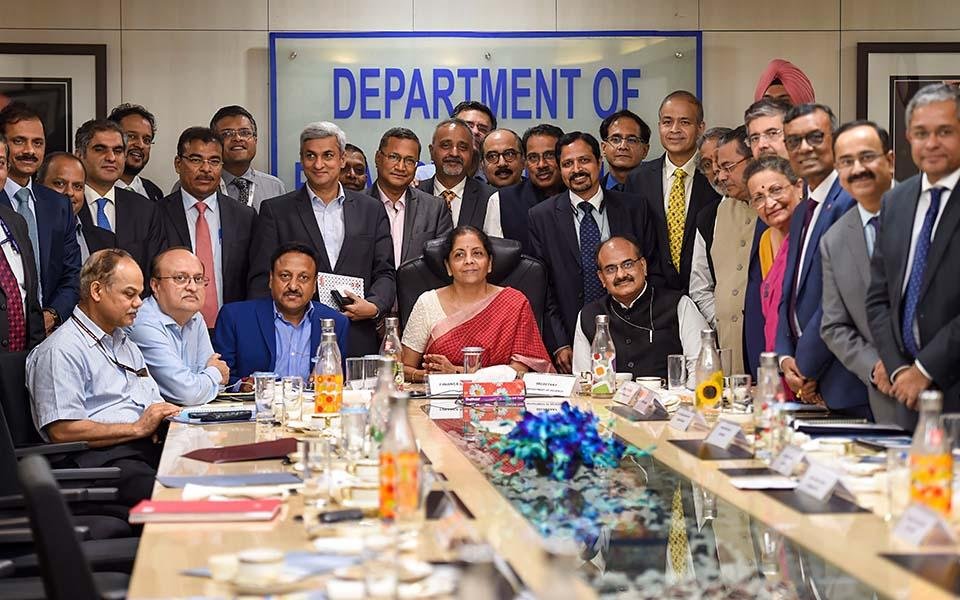
India’s Finance Minister Nirmala Sitharaman has raised serious concerns about emerging cybersecurity risks posed by advanced artificial intelligence systems, particularly Anthropic’s highly sophisticated AI model known as Claude Mythos. During a high-level meeting with top officials from major banks, Sitharaman emphasized the urgent need for stronger security measures to protect the country’s financial infrastructure.
The meeting, attended by heads of public and private sector banks, focused on understanding the potential threats that cutting-edge AI technologies could pose to banking systems. According to officials, the Finance Minister warned that tools like Claude Mythos represent an “unprecedented” level of risk, requiring heightened vigilance, preparedness, and close coordination across financial institutions.
Claude Mythos, developed by Anthropic, is considered one of the most advanced AI systems in the field of cybersecurity. What makes it particularly alarming is its ability to detect vulnerabilities that even experienced human experts might miss. Reports suggest that the AI has identified thousands of security flaws, including decades-old weaknesses in widely used operating systems and web browsers.
Due to its immense capabilities, Anthropic has restricted access to Mythos, making it available only to a limited number of organizations such as major global tech firms. The concern, however, arises from reports that unauthorized users may have gained access to the system. If such powerful AI tools fall into the wrong hands, they could potentially be used to exploit unknown vulnerabilities and launch sophisticated cyberattacks.
Recognizing these risks, Sitharaman has directed banks to adopt proactive strategies to safeguard their digital infrastructure. She urged financial institutions to strengthen their IT systems, enhance monitoring mechanisms, and ensure the safety of customer data. The focus is not only on preventing attacks but also on being prepared to respond swiftly if any breach occurs.
One of the key recommendations from the meeting was the establishment of a real-time threat intelligence-sharing system. This mechanism would allow banks to quickly exchange information about emerging cyber threats with agencies like Indian Computer Emergency Response Team and other relevant authorities. Such collaboration is expected to improve the overall resilience of the financial sector.
Additionally, the Finance Minister has asked the Indian Banks’ Association to develop a coordinated institutional framework. This framework would enable banks to work together more effectively in identifying risks and implementing defensive measures. Collaboration with cybersecurity experts and specialized agencies has also been strongly encouraged.
The concern over AI-driven cyber threats is not limited to India. Governments and financial institutions around the world are closely monitoring developments in this area. In the United States, authorities have reportedly held discussions with major banks to assess similar risks, and there are plans to leverage such AI systems to strengthen cybersecurity defenses.
Back in India, both the Finance Ministry and the Reserve Bank of India are actively studying the potential impact of Mythos on the financial ecosystem. The goal is to understand the scale of the threat and implement appropriate safeguards before any serious incidents occur.
Experts believe that while AI like Mythos can be a powerful tool for identifying and fixing vulnerabilities, it also introduces new risks if misused. This dual nature of advanced technology makes it essential for governments and institutions to stay ahead of potential threats.
the warning issued by Nirmala Sitharaman highlights a critical challenge facing modern economies the need to balance technological advancement with security. As AI continues to evolve, the banking sector must adapt quickly, ensuring that innovation does not come at the cost of safety. The coming months will be crucial in determining how effectively India’s financial system can prepare for and counter these emerging cyber threats.