The Andhra Pradesh government has moved the Supreme Court challenging an October 1 High Court judgment concerning reservation for Backward Classes in local-body elections. The state has sought interim relief against the judgment, which set aside the reservation orders to the extent that aggregate vertical reservation for Scheduled Castes, Scheduled Tribes and Backward Classes exceeded the 50% ceiling.
What the High Court decided
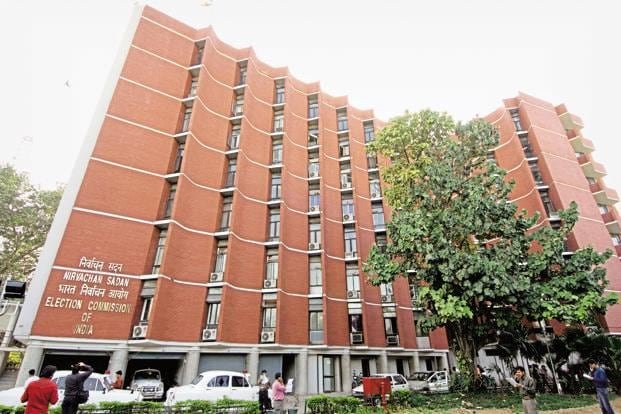
The Andhra Pradesh High Court considered challenges involving Panchayat Raj Institutions and Urban Local Bodies. The judgment addressed Government Order 105 concerning 34% BC reservation in Panchayat Raj Institutions and Government Order 1065 concerning reservation in urban local bodies. The court also directed the state government and State Election Commission to expeditiously commence the local-body election process, preferably within six weeks.
The judgment discussed Supreme Court precedent on political reservation in local bodies and the empirical exercise required when determining the extent of backward-class reservation. The legal dispute therefore concerns both the quantum of reservation and whether the state’s evidentiary exercise satisfies the applicable constitutional standards.
State’s case before the Supreme Court
According to reporting on the Special Leave Petition, the Andhra Pradesh government argues that the 2026 reservation exercise was based on fresh empirical work and should not be treated as a simple repetition of an earlier quota arrangement that had been struck down. The state has asked the Supreme Court to examine that contention and sought an interim stay.
Those are the state’s submissions, not findings by the Supreme Court. Until the Court passes an order, it would be inaccurate to describe the High Court judgment as overturned or the 34% reservation as restored by the filing of the appeal alone.
Why this matters for local elections
The dispute affects the framework under which seats and offices are reserved in forthcoming rural and urban local-body elections. Election scheduling, reservation notifications and any interim judicial directions will therefore be important procedural developments to watch.
Citizens should rely on orders of the Supreme Court, the State Election Commission and official government notifications for changes to the election process. Political statements from either supporters or critics of the policy should be clearly distinguished from binding judicial directions.