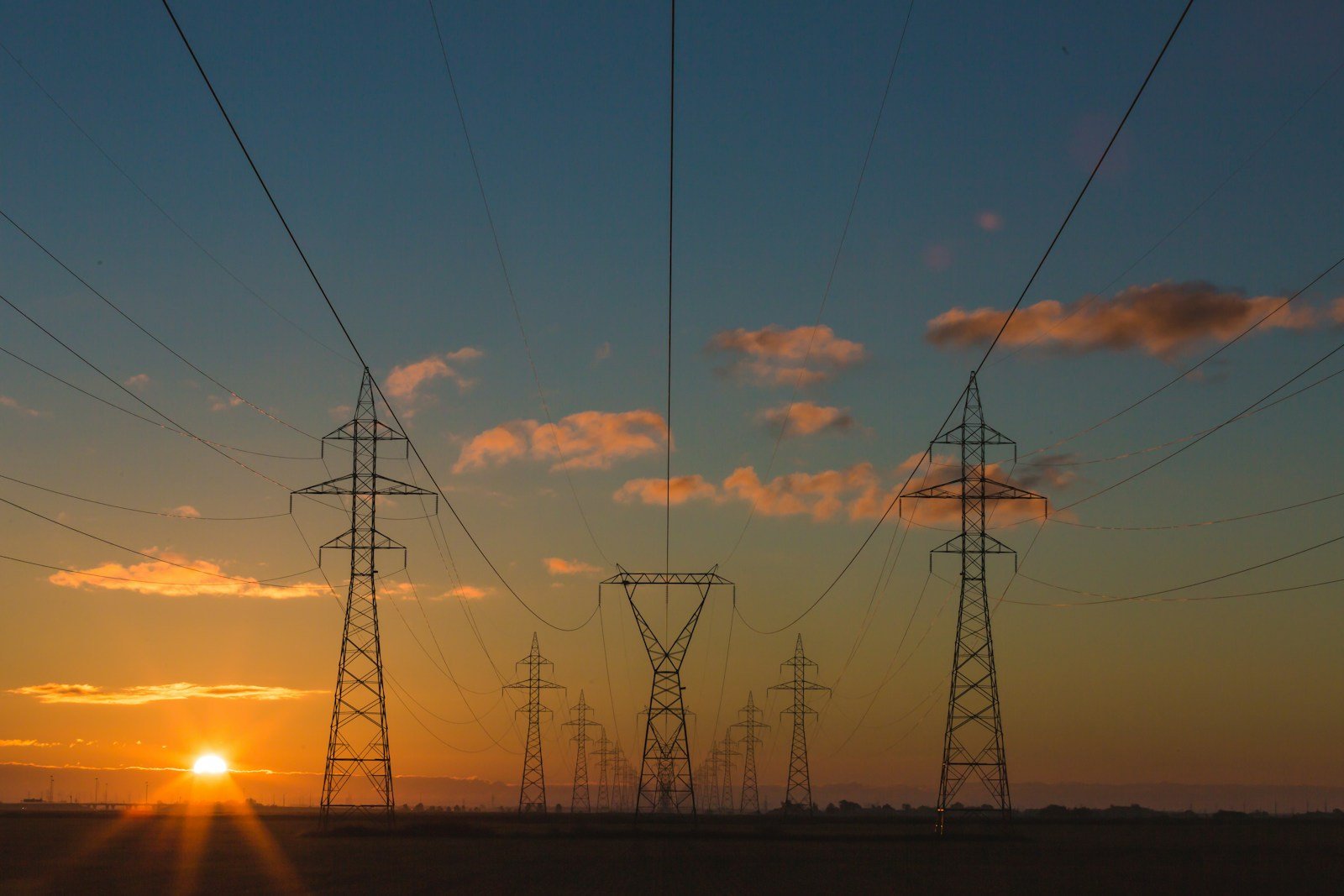
Several Indian states, including Andhra Pradesh, are seeking additional electricity supplies from the Centre as nighttime power availability tightens, according to officials cited by Reuters. The pressure reflects a difficult combination of weaker hydropower generation, maintenance at thermal plants and limited battery capacity to shift abundant daytime solar generation into evening and night hours.
Why the grid is under pressure
India has rapidly expanded solar generation, but solar output falls sharply after sunset just as household and commercial demand can remain elevated. Grid operators therefore need flexible thermal generation, hydropower, batteries or other balancing resources. When several of those sources are constrained at the same time, states may need to buy expensive short-term electricity or request additional allocations.
Reuters reported that September recorded a significant electricity shortfall and that a large amount of generation capacity was unavailable. Coal inventories at some plants were also under pressure. These conditions do not mean every state or consumer will necessarily face outages, but they increase the operational challenge for utilities.
Policy focus shifts to storage and planning
The Ministry of Power has been encouraging faster integration of battery storage with renewable generation. Storage can absorb electricity when solar output is high and release it after sunset. However, large-scale batteries require capital investment, transmission access and market rules that compensate operators for providing flexibility.
State procurement decisions are also important. Electricity demand can change with weather, industrial activity and irrigation requirements. Utilities that underestimate demand may have to purchase power on exchanges at higher prices. Long-term planning therefore involves a balance between affordability, reliability and the transition toward cleaner generation.
Why it matters to voters and the public
For Andhra Pradesh residents, the immediate issue is reliability during evening peak hours and whether utilities can secure sufficient supply without imposing excessive costs. More broadly, the episode is a governance test of how India manages the transition to renewable energy while maintaining dependable electricity for households, farms and industry.
For related VoterChronicle coverage, see this report and this background article.
Source and verification
This article was independently written from current reporting and official information. Primary/current source: source document/report. Political claims are attributed and should not be read as established findings unless confirmed by competent authorities or courts.