
Rising geopolitical tensions in the strategically crucial Hormuz Strait have triggered sharp reactions in global oil markets, pushing crude oil prices past the $100 mark. The situation has escalated following actions by the United States to impose naval restrictions on Iranian shipping, prompting a strong warning from Iran.
The Hormuz Strait, a vital route for global oil transportation, has now become a focal point of international concern. The United States has reportedly tightened its naval presence in the region, restricting vessels linked to Iran from accessing key routes. This move has heightened fears of supply disruptions, which in turn has driven oil prices sharply upward.
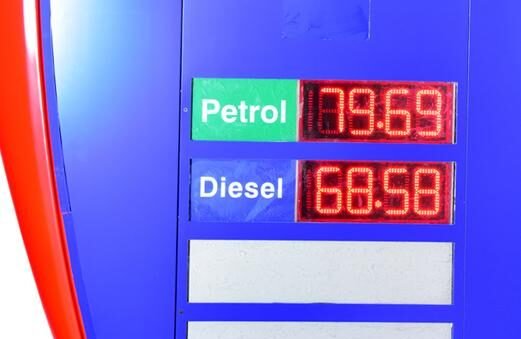
Iran has responded strongly to these developments. Iranian political leadership warned that such actions could lead to a significant spike in global fuel prices. Officials indicated that any disruption in the movement of oil tankers through the strait would have serious consequences for international energy markets. The warning also hinted at broader economic implications, especially for countries heavily dependent on oil imports.
Following these developments, global oil benchmarks reacted immediately. West Texas Intermediate (WTI) crude saw a significant jump, crossing $104 per barrel, while Brent crude prices also surged beyond $102. The sudden spike in oil prices has sent shockwaves across global markets, including Asia, where stock indices recorded noticeable declines.
Meanwhile, diplomatic efforts to ease tensions have not yielded results. Talks reportedly held between US representatives and Iranian officials failed to produce any agreement, as both sides remained firm on their respective positions. This breakdown in negotiations has further intensified uncertainty in the region.
Experts warn that if the situation continues to deteriorate, it could have long-term consequences for the global economy. Rising fuel prices could lead to inflationary pressures worldwide, affecting everything from transportation costs to essential goods.