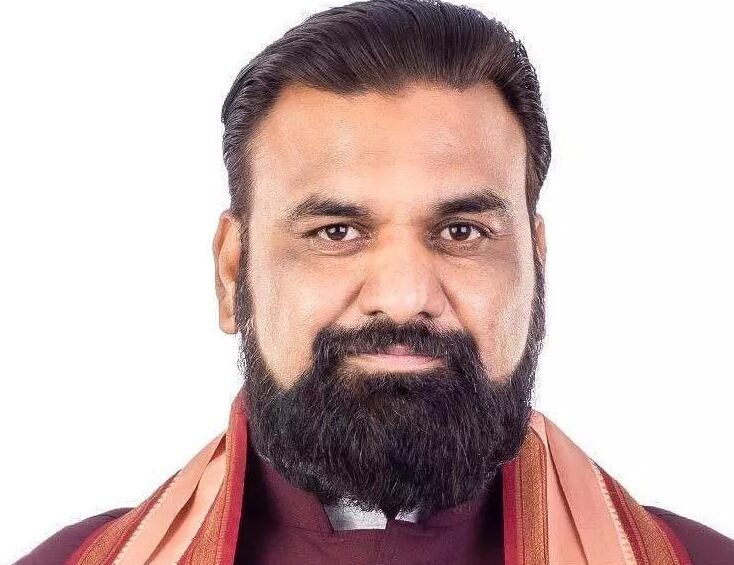
In a significant political development in Bihar, senior BJP leader Samrat Choudhary is set to become the state’s next Chief Minister, succeeding Nitish Kumar. If confirmed, he will be the first leader from the Bharatiya Janata Party (BJP) to hold the top post in Bihar, marking a major shift in the state’s political landscape.
Choudhary’s rise comes after he was elected as the BJP Legislature Party leader, strengthening his position within the ruling NDA alliance. His elevation follows months of growing influence, especially after he was entrusted with key responsibilities such as the Home and Finance portfolios in the state government. This move was widely seen as a sign of the BJP asserting greater control within the coalition.
Born in Lakhanpur village in Munger district, Choudhary comes from a political background. His father, Shakuni Choudhary, was a well-known regional leader. Samrat Choudhary began his political journey in the 1990s with the Rashtriya Janata Dal (RJD) and later served as a minister in the Rabri Devi government. Over the years, he switched political parties, joining JD(U) and eventually the BJP in 2017, where his growth was rapid.
His political career has not been without controversies, including past allegations related to the 1995 Tarapur case and disputes over his educational qualifications. However, Choudhary has consistently denied these claims, stating that no charges were proven against him.
Over time, he established himself as a key strategist and mass leader, particularly among the OBC community, which plays a crucial role in Bihar’s electoral politics. His appointment as Deputy Chief Minister in 2024 further strengthened his leadership credentials.
In the 2025 Assembly elections, Choudhary secured a strong victory from Tarapur, reinforcing his political standing. His ability to manage governance and maintain influence across different voter groups has made him a central figure in the BJP’s plans for Bihar.
Choudhary’s expected elevation as Chief Minister signals the BJP’s intent to expand its footprint in Bihar and reshape the power dynamics within the NDA. It also reflects the party’s strategy to promote regional leaders with strong social and political backing.