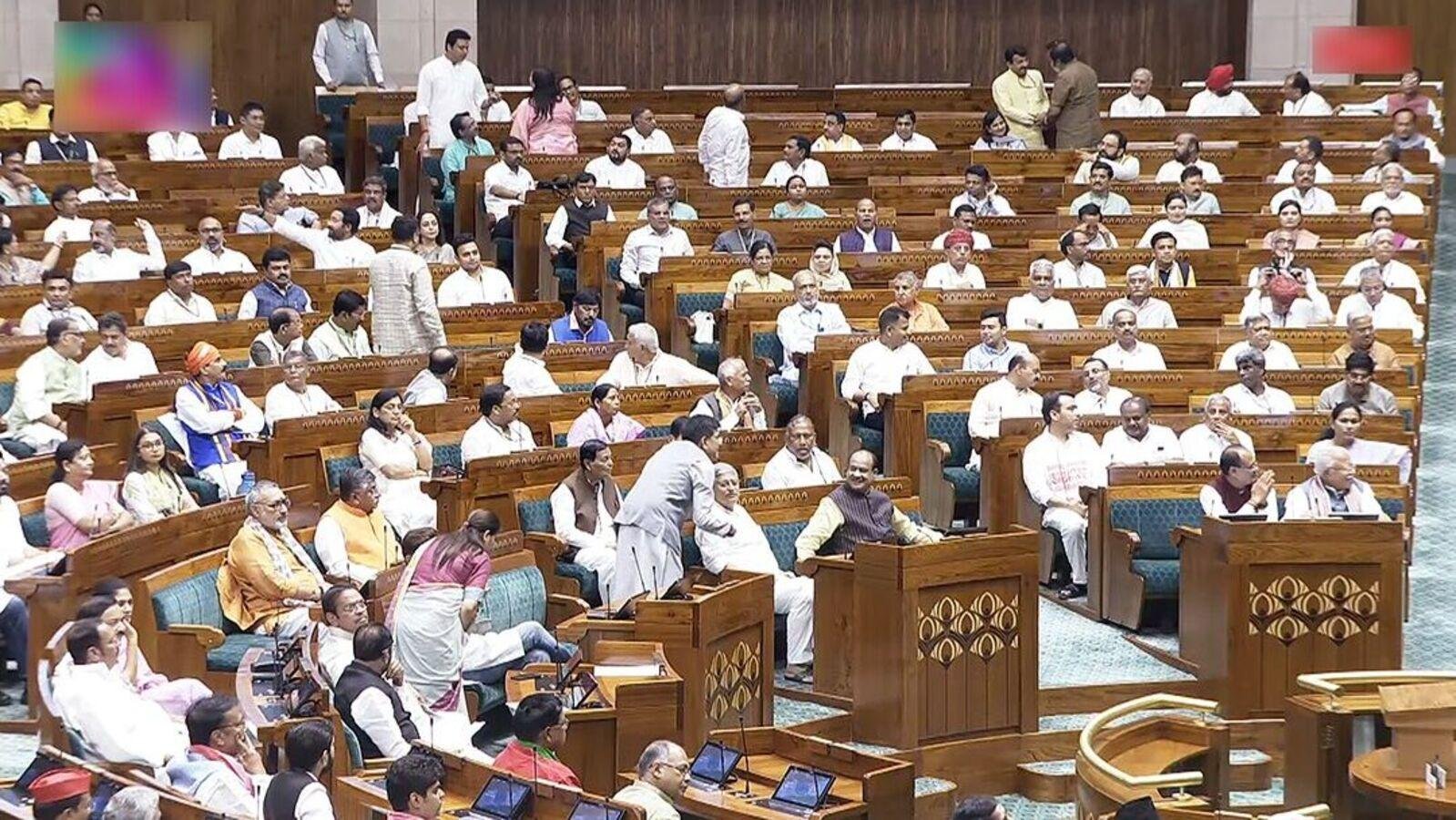
The Union government has proposed a major restructuring of India’s parliamentary representation, with plans to significantly increase the number of Lok Sabha seats. According to Union Law Minister Arjun Ram Meghwal, the number of seats in the Lower House is expected to grow by around 50% following a fresh delimitation exercise.
Currently, the Lok Sabha has 543 seats. Under the new proposal, this number could rise to approximately 815 seats. Of these, 272 seats are expected to be reserved for women as part of the implementation of the long-pending 33% women’s reservation policy. The government has described this move as a balanced approach to ensure representation without reducing opportunities for other groups.
The expansion is part of a broader legislative package that includes the Delimitation Bill, 2026, and a constitutional amendment aimed at operationalising women’s reservation in Parliament. These changes are expected to come into effect from the 2029 general elections, giving enough time for structural adjustments and boundary redrawing.
The delimitation process will likely rely on the 2011 Census data to redefine constituencies and allocate seats. The government argues that increasing the total number of seats proportionally will prevent any state from losing representation while accommodating the women’s quota.
However, the proposal has triggered strong reactions from opposition parties. Critics argue that using outdated census data could create an imbalance, particularly affecting southern states that have successfully controlled population growth. Leader of Opposition Rahul Gandhi has called for the exercise to be based on updated census figures, including caste-based data, to ensure fair representation.
The government, on the other hand, maintains that the expansion formula is designed to maintain equity among states while fulfilling the commitment to women’s empowerment. Officials insist that no region will be disadvantaged, as seat increases will be proportionate across states.
As Parliament debates these landmark proposals, the move is being seen as one of the most significant electoral reforms in recent years. While supporters hail it as a progressive step toward inclusive governance, critics remain cautious about its long-term political implications.