The Assembly elections in Tamil Nadu and West Bengal have drawn nationwide attention, not just because of the political stakes involved but also due to the remarkably high voter turnout recorded in both states. As polling concluded, it became clear that voters turned out in large numbers, reflecting strong public engagement and heightened political awareness. This surge in participation has intensified speculation about the final outcome and which party may benefit from the trend.
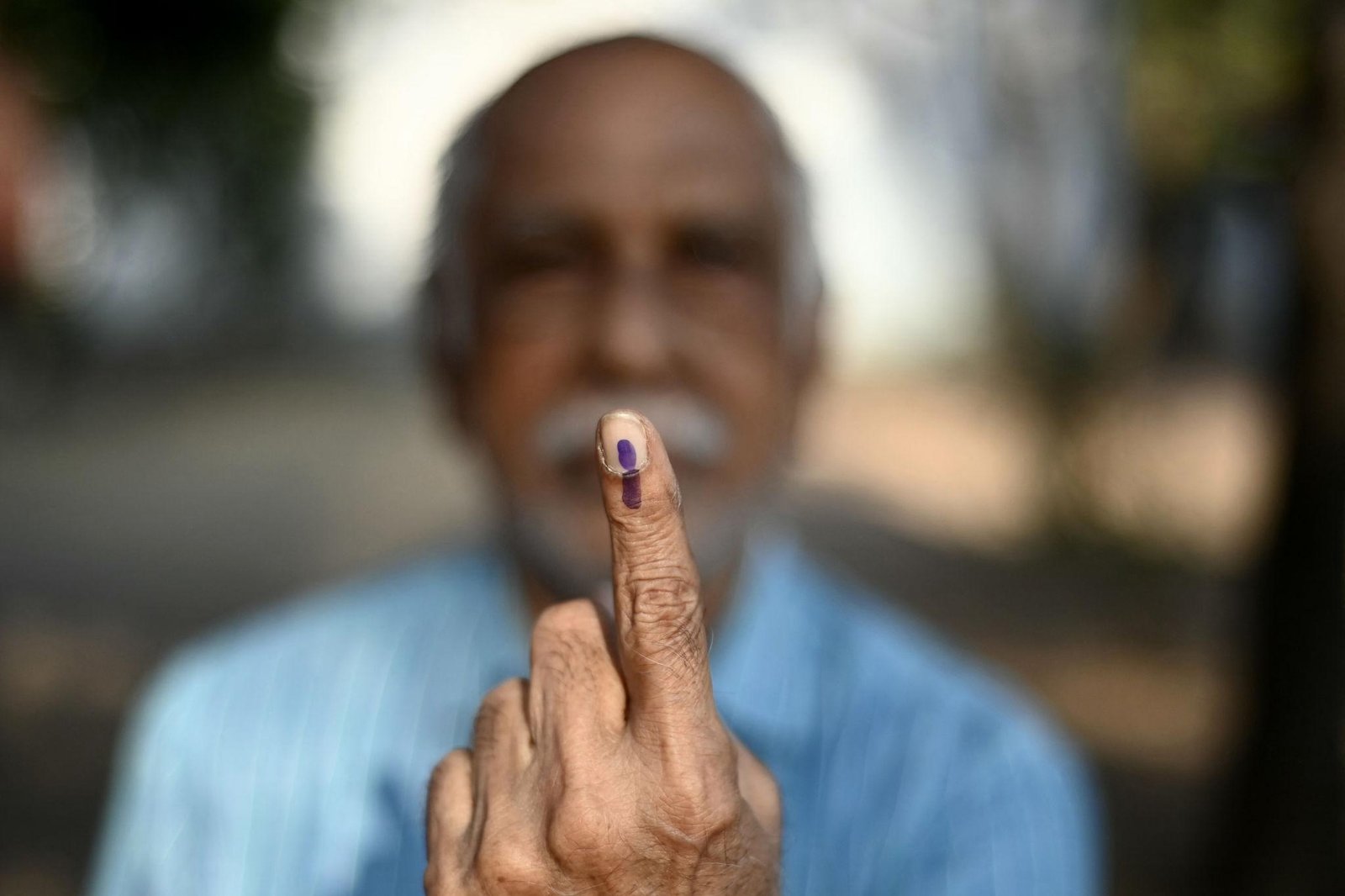
In Tamil Nadu, elections were conducted in a single phase across all 234 constituencies. From early morning, polling stations witnessed long queues of voters, including youth, women, and elderly citizens. By the end of the day, voter turnout crossed approximately 82%, which is considered significantly high. The peaceful nature of polling was another notable aspect, as the election process was largely smooth without major incidents. Authorities ensured strict security arrangements, contributing to a calm and orderly voting environment.
West Bengal, on the other hand, recorded an even more striking turnout. Nearly 90% of eligible voters exercised their franchise in the phase conducted, setting a new benchmark in the state’s electoral history. The enthusiasm among voters was evident, with many traveling long distances to ensure they could cast their vote. However, unlike Tamil Nadu, certain regions in West Bengal witnessed sporadic tensions. Reports of minor clashes between political party workers surfaced, but swift intervention by security forces helped maintain overall control.
The political contest in both states is intense and multi-layered. In Tamil Nadu, the main battle is between the ruling DMK and the opposition AIADMK alliance, which includes the BJP. Additionally, the entry of actor Vijay into politics with his party has added a fresh dynamic, turning the election into a triangular contest in some constituencies. This has made the outcome even more unpredictable.
In West Bengal, the rivalry between the ruling Trinamool Congress (TMC) and the Bharatiya Janata Party (BJP) remains fierce. The state has historically witnessed high voter participation, driven by strong party networks, community mobilization, and political awareness among citizens. This time, too, both major parties are confident that the high turnout works in their favor, each interpreting the numbers to suit their narrative.
Several factors may have contributed to this surge in voter turnout. Increased political awareness, aggressive campaigning by parties, and the importance attached to these elections as a measure of government performance have all played a role. In West Bengal, additional factors such as concerns over voter list revisions and strong security presence may have encouraged more people to vote.
Another key trend observed is the growing participation of women voters. In many constituencies, women turnout matched or even exceeded that of men, indicating a positive shift toward inclusive democratic participation. Youth involvement was also significant, with first-time voters showing enthusiasm to be part of the electoral process.
Despite the high turnout, it is difficult to conclusively determine which party stands to gain the most. While traditionally a higher turnout is often associated with anti-incumbency sentiment, recent electoral patterns suggest that it can equally benefit the ruling party if it has strong grassroots support.
the massive voter turnout in Tamil Nadu and West Bengal reflects the vibrancy of Indian democracy. It highlights how actively citizens are participating in shaping their political future. However, the true direction of the mandate will only become clear once the election results are announced. Until then, the high turnout remains a strong indicator of public interest but not necessarily a predictor of victory.