
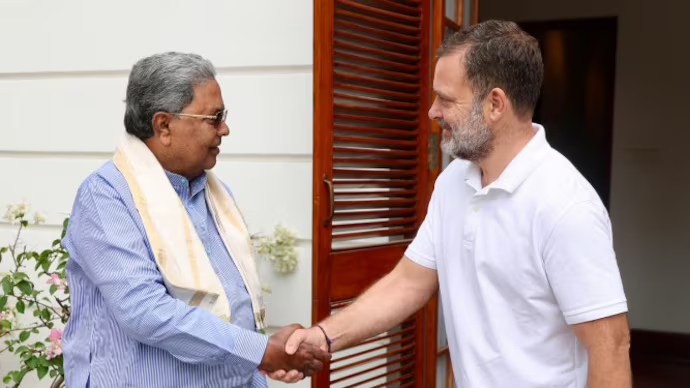
A day after stepping down as Karnataka Chief Minister, senior Congress leader Siddaramaiah held crucial meetings with Congress leaders Rahul Gandhi and Mallikarjun Kharge in New Delhi. The meeting has sparked intense political discussions, as reports suggest Siddaramaiah presented a list of requests regarding appointments and cabinet positions in the upcoming D K Shivakumar-led government.
According to political sources, Siddaramaiah shared his preferences for Rajya Sabha nominations, Legislative Council appointments, and key ministerial positions. One of the most talked-about aspects of the meeting was the reported request for significant portfolios for his son, Yathindra Siddaramaiah, who is expected to play a larger role in Karnataka politics in the coming years.
Sources indicate that Siddaramaiah proposed portfolios such as Medical Education, Backward Classes Welfare, Industries, or Water Resources for Yathindra. These departments are considered politically influential and strategically important in Karnataka. Political observers believe the move is aimed at strengthening Yathindra’s position while ensuring continuity of Siddaramaiah’s political legacy.
Despite stepping down from the top post, Siddaramaiah has made it clear that he has no plans to shift to national politics. Reports suggest that the Congress high command explored the possibility of offering him a Rajya Sabha seat, but he declined the proposal. Speaking shortly after relinquishing office, Siddaramaiah emphasized that he intends to remain active in Karnataka politics and continue working among the people of the state.
His decision highlights the significant influence he continues to hold within Karnataka Congress. Even after leaving the Chief Minister’s office, Siddaramaiah remains one of the party’s most powerful leaders in the state. Several senior Congress leaders are believed to continue seeking his guidance on political and organizational matters.
Meanwhile, the formation of the new government under D K Shivakumar has triggered discussions about power-sharing within the Congress. Party leaders are working to maintain a balance between different factions while ensuring stability in the administration. In this context, Siddaramaiah’s recommendations and demands are being closely watched by political analysts.
The developments also underline Siddaramaiah’s strong support base among backward classes, minorities, and Dalit communities. Following his resignation, supporters from these groups reportedly staged demonstrations in several locations, expressing dissatisfaction over his departure from the Chief Minister’s post. Many viewed him as a leader who represented their aspirations and interests.
As the Congress high command finalizes the structure of the new government, attention remains focused on how many of Siddaramaiah’s proposals will be accommodated. The outcome could provide a clear indication of the political influence he continues to wield within the party despite stepping down as Chief Minister.
With D K Shivakumar preparing to lead the next phase of Karnataka’s government, the relationship between the two senior leaders and the balance of power within the Congress will remain a key factor in shaping the state’s political future.