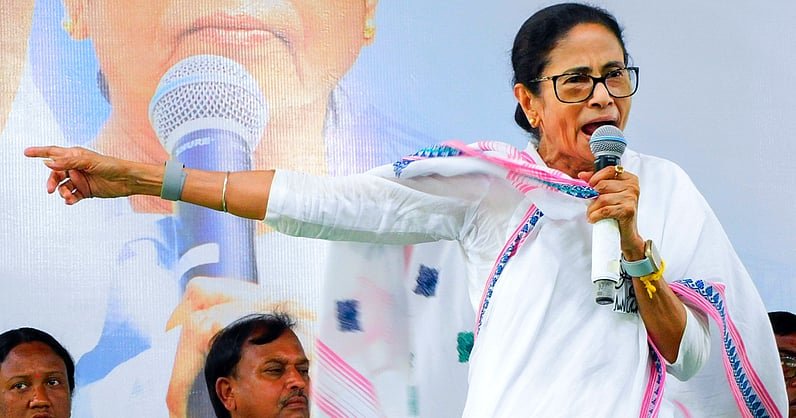
West Bengal politics has entered a new phase of uncertainty as internal tensions within the Trinamool Congress (TMC) continue to escalate. What began as a dispute over alleged forged signatures has now evolved into a major political challenge for party chief Mamata Banerjee, with a group of rebel legislators claiming significant support within the party ranks.
The latest development came when expelled Trinamool MLA Ritabrata Banerjee arrived at the West Bengal Assembly and publicly claimed that he enjoys the backing of 59 MLAs. The assertion has intensified speculation about a possible split within the party, which currently holds 80 seats in the Assembly after its defeat in the 2026 state elections.
Ritabrata Banerjee, who was expelled from the party earlier this week along with MLA Sandipan Saha for alleged anti-party activities, has emerged as the face of the dissident group. According to members of the rebel camp, a letter signed by more than 50 legislators has been submitted to the Assembly Speaker supporting Ritabrata Banerjee for a key leadership role within the legislature.
Interestingly, the rebel faction has not distanced itself from Mamata Banerjee entirely. The group claims that it represents the “real Trinamool Congress” and continues to recognize Mamata Banerjee as its leader. This unusual position has created confusion within political circles, as the rebels challenge the current party leadership structure while simultaneously expressing loyalty to the party founder.
The roots of the conflict can be traced back to the appointment of veteran leader Sobhandeb Chattopadhyay as the Leader of the Opposition in the Assembly. Ritabrata Banerjee and Sandipan Saha alleged that the document submitted in support of the appointment contained forged signatures of several MLAs. Their accusations triggered a political storm and eventually led to disciplinary action from the party.
The controversy has now moved beyond party politics and entered the legal arena. The Assembly Secretariat filed a formal complaint regarding the signature dispute, and the matter is currently being investigated by the Criminal Investigation Department (CID). Authorities have reportedly begun collecting handwriting samples from legislators whose names appeared on the disputed document.
Adding further fuel to the controversy, some legislators have reportedly informed investigators that they did not sign the letter in question. These developments have strengthened the rebels’ claims and increased pressure on the Trinamool leadership.
Meanwhile, Chief Minister Suvendu Adhikari and the ruling BJP have closely monitored the unfolding crisis. BJP leaders argue that the controversy reflects deeper dissatisfaction within the Trinamool Congress and exposes internal divisions that have been growing since the party lost power in the state.
Political analysts believe the coming days will be crucial for the future of the Trinamool Congress. If the rebel camp manages to maintain the support it claims, the party could face one of the biggest internal challenges in its history. However, if the leadership succeeds in bringing dissatisfied legislators back into the fold, the crisis may be contained before it leads to a formal split.
For now, West Bengal’s political landscape remains highly volatile, with both supporters and critics of the Trinamool closely watching the next move of Mamata Banerjee and the rebel legislators.