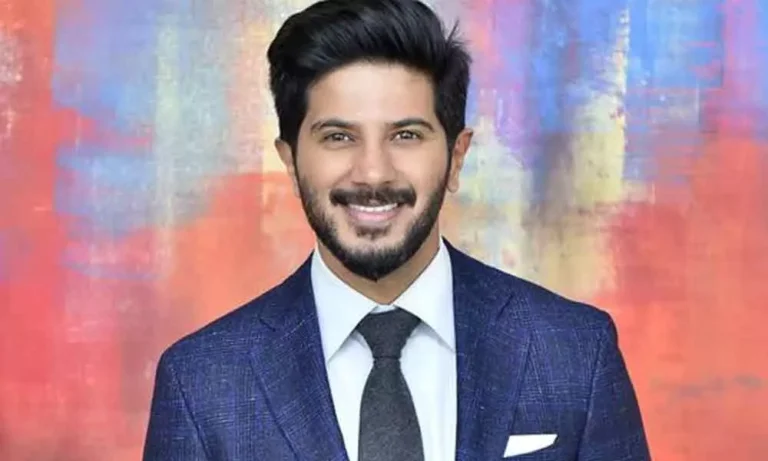
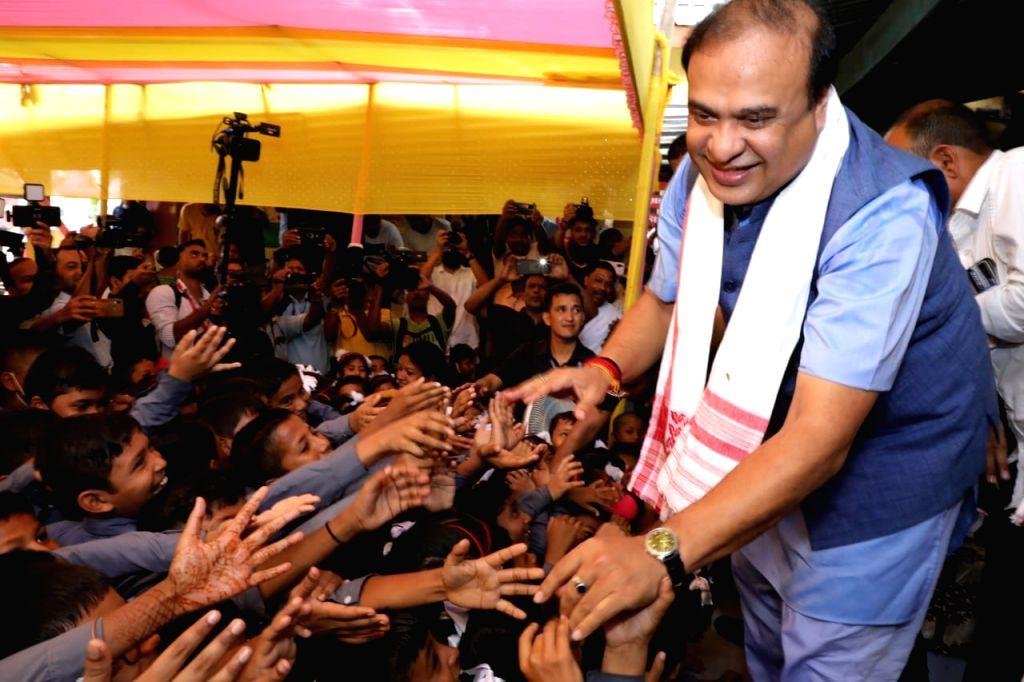
Himanta Biswa Sarma connecting with supporters during a political rally, showcasing his leadership and popularity in Assam.
Himanta Biswa Sarma is today regarded as one of the most influential political leaders in Northeast India. Often called the “Chanakya of Assam” for his sharp political strategies and organisational skills, Sarma’s journey from student politics to becoming Assam’s Chief Minister is both remarkable and inspiring.
Born on February 1, 1969, in Jorhat, Assam, Himanta grew up in a culturally rich family. His father Kailash Nath Sarma was a respected poet and novelist, while his mother Mrinalini Devi was deeply involved in Assamese literary and social activities. This environment shaped his understanding of Assamese identity, culture, and public life from a very young age.
He completed his schooling in Guwahati and later joined Cotton University, where his political journey truly began. During his college years, Sarma became a popular student leader and was elected General Secretary of the Cotton College Students’ Union multiple times. His strong speaking skills, leadership qualities, and ability to connect with students quickly made him a known face in Assam’s youth politics.
During the Assam Movement era, Sarma was also associated with the All Assam Students’ Union (AASU), which played a major role in shaping his views on Assamese identity and regional politics. After completing his higher studies in Political Science and Law, he briefly practiced as a lawyer at the Gauhati High Court before entering active politics.
Interestingly, before politics, Sarma even appeared as a child artist in the Assamese movie Kokadeuta Nati Aru Hati. This small connection with cinema added a relatable and human touch to his public image years later.
Himanta Biswa Sarma officially entered mainstream politics through the Indian National Congress in the early 1990s. His political breakthrough came in 2001 when he won the Jalukbari Assembly constituency for the first time. Over the years, he became one of the most powerful ministers in the Congress government under former Chief Minister Tarun Gogoi.
As a minister, Sarma handled important departments including Health, Finance, Education, and Planning. He earned praise for introducing reforms and modernising governance systems. His ability to plan election strategies and manage political alliances gave him the reputation of being a master strategist.
However, differences within Congress eventually pushed him toward the Bharatiya Janata Party (BJP) in 2015. This move completely changed the political landscape of Assam and the Northeast. Sarma became a key architect behind BJP’s rise in the region and played an important role in expanding the party’s influence across several Northeastern states through the North East Democratic Alliance (NEDA).
In 2021, Himanta fulfilled a dream he had spoken about years earlier when he became the 15th Chief Minister of Assam. Known for his aggressive governance style, quick decision-making, and strong communication skills, Sarma focused on infrastructure, education, women’s welfare, employment generation, and law enforcement.
Apart from politics, his personal life has also drawn attention. He married Riniki Bhuyan, a former tennis player and entrepreneur, after a long relationship that started during their college days. Together, they built a strong family while balancing public and professional responsibilities.
Today, Himanta Biswa Sarma remains one of the most talked-about leaders in Indian politics. Supporters see him as a visionary who transformed Assam’s political direction, while critics acknowledge his unmatched political intelligence and influence. From a fiery student activist to one of Northeast India’s strongest political figures, Sarma’s journey reflects ambition, resilience, and strategic brilliance.