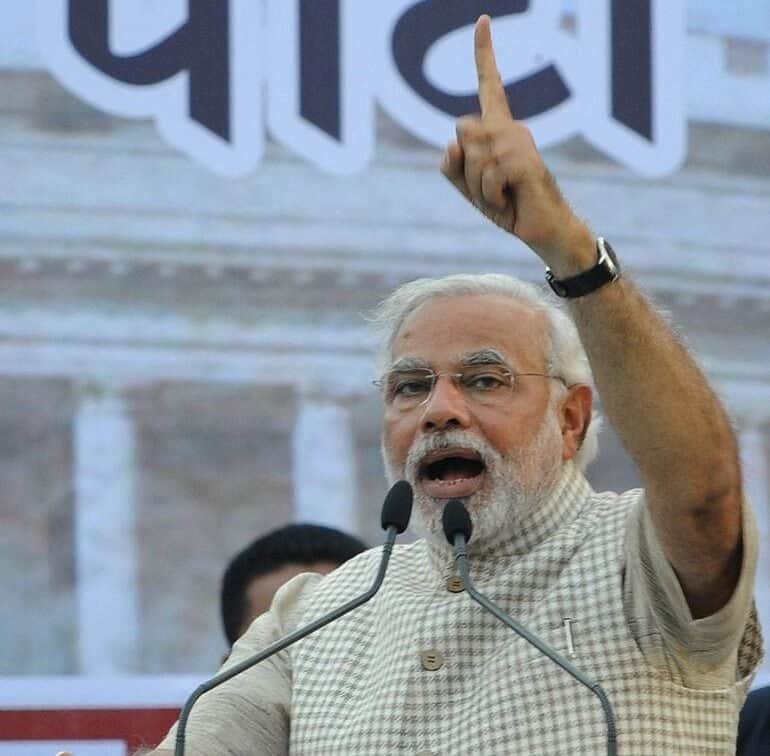
Prime Minister Narendra Modi has reportedly ordered a major reduction in the size of his official convoy as part of the government’s broader fuel-saving and austerity measures during the ongoing US-Iran conflict. According to reports, the number of vehicles in the Prime Minister’s convoy has been reduced by nearly 50 percent, while security arrangements continue to remain fully active.
The decision comes at a time when rising global tensions in West Asia are creating concerns over fuel prices, foreign exchange reserves, and economic stability. Sources stated that the Special Protection Group (SPG), which is responsible for the Prime Minister’s security, has been instructed to decrease the number of vehicles used during official travel without compromising mandatory security protocols.
Apart from reducing convoy size, the Prime Minister has also reportedly encouraged the increased use of electric vehicles within the convoy system. Officials have been told not to purchase any new vehicles for this purpose in order to avoid unnecessary government expenditure. The new measures were already implemented during Modi’s recent visits to states like Gujarat and Assam.
Earlier this week, Modi made several public appeals asking citizens to adopt fuel-saving habits and contribute to economic stability during the international crisis. He urged people to reduce unnecessary fuel consumption by using public transport systems such as buses and metro services. Citizens were also advised to avoid unnecessary foreign travel for a year in order to conserve foreign exchange reserves.
Another major suggestion from the Prime Minister was to postpone gold purchases temporarily. India is one of the world’s largest importers of gold, and higher imports increase pressure on the country’s dollar reserves. Modi’s appeal aimed at reducing economic strain caused by global instability and rising import bills.
Several BJP leaders publicly supported the Prime Minister’s message after his announcement. Delhi Chief Minister Rekha Gupta stated that ministers, MLAs, and government officials in Delhi would reduce the number of vehicles used for official duties and prioritize carpooling and public transport wherever possible.
However, the austerity message also sparked criticism from opposition parties. Congress leaders questioned whether BJP leaders themselves were following the Prime Minister’s advice. Opposition leaders pointed to large political convoys and expensive roadshows conducted by ruling party members despite appeals to conserve fuel.
In Madhya Pradesh, videos of BJP leaders arriving in long convoys after being appointed to government corporations went viral on social media. Congress leaders accused the BJP of sending mixed signals by asking the public to save fuel while some politicians continued to travel with large vehicle entourages.
BJP leaders responded by saying efforts are being made across the party to follow the Prime Minister’s instructions and that any shortcomings would be corrected soon.
The ongoing conflict in West Asia has already increased pressure on the Indian economy due to rising crude oil prices and a weakening rupee. Experts believe the government’s latest austerity measures are aimed at reducing unnecessary expenditure while encouraging citizens and leaders alike to adopt more responsible economic practices during uncertain global conditions.