West Bengal politics has entered a new phase of uncertainty as speculation grows over a possible split within the ruling Trinamool Congress (TMC). Political observers are drawing comparisons with Maharashtra’s political developments, where a major split reshaped the Shiv Sena. Similar questions are now being raised about whether a faction of TMC leaders could break away from the party and form a new political platform.
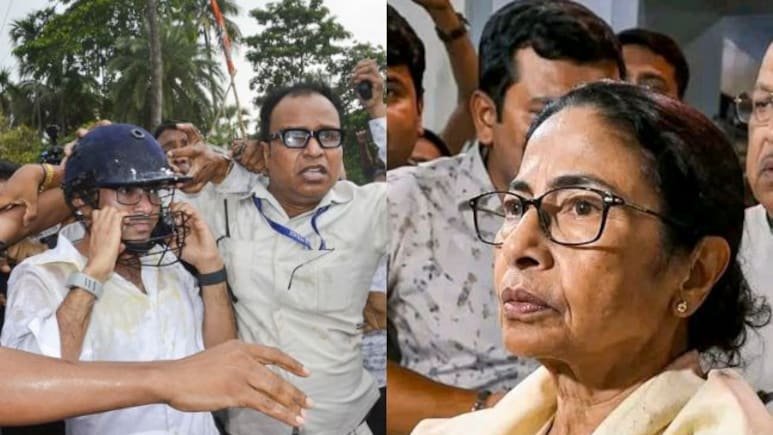
The rumours gained momentum after two Trinamool Congress legislators, Ritabrata Bandopadhyay and Sandipan Saha, were expelled from the party. Their removal followed controversy surrounding internal disputes and allegations connected to a signature-related issue. The action has intensified discussions about dissatisfaction within sections of the party.
Reports suggest that several legislators are unhappy with the current leadership structure. Political circles in Kolkata are abuzz with claims that a sizeable number of MLAs may be considering alternative political options. While no official confirmation has emerged, speculation about a possible rebellion continues to dominate the state’s political landscape.
The situation attracted further attention when a large number of TMC legislators reportedly skipped a scheduled meeting convened by Chief Minister Mamata Banerjee at her residence in Kolkata. The absence of many elected representatives raised questions about the level of unity within the ruling party.
Adding to the intrigue, reports emerged that some legislators held separate meetings at different locations across the city during the same period. Although some leaders cited personal reasons for missing the official gathering, political observers view these developments as signs of growing internal differences.
Reacting to the developments, Mamata Banerjee alleged that efforts were being made to destabilize her party. She accused political opponents of attempting to influence Trinamool legislators through pressure tactics and inducements. According to her, some party members were being targeted and intimidated in an effort to weaken the organization.
Speaking publicly on the issue, Mamata Banerjee claimed that several legislators had approached her with concerns regarding alleged pressure from external forces. She expressed strong criticism of what she described as attempts to interfere in democratic processes and undermine elected representatives.
Meanwhile, senior Trinamool leader Kunal Ghosh also addressed the controversy. Without naming specific individuals, he appealed to party legislators to remain loyal to the leadership and remember the political support that helped them win elections. He emphasized that the party’s electoral success was built on the image and efforts of Mamata Banerjee and urged members not to betray that trust.
Kunal Ghosh acknowledged that there could be attempts to create divisions within the party but argued that responsibility should be placed on individuals pursuing personal ambitions rather than solely on rival political parties. He described such actions as opportunistic and warned that they could damage the party’s unity.
The developments come at a crucial time for Trinamool Congress as it prepares for future political battles in the state. Any major internal split could significantly alter West Bengal’s political equation and create opportunities for opposition parties to strengthen their position.
For now, there is no official announcement regarding the formation of a breakaway faction or a new political party. However, the ongoing speculation, absentee legislators, and public disagreements have created an atmosphere of uncertainty. Political analysts believe the coming weeks will be critical in determining whether the current tensions remain internal disagreements or evolve into a larger political realignment in West Bengal.
As the situation unfolds, all eyes remain on Mamata Banerjee and the Trinamool leadership to see whether they can restore unity or face one of the biggest challenges in the party’s history.