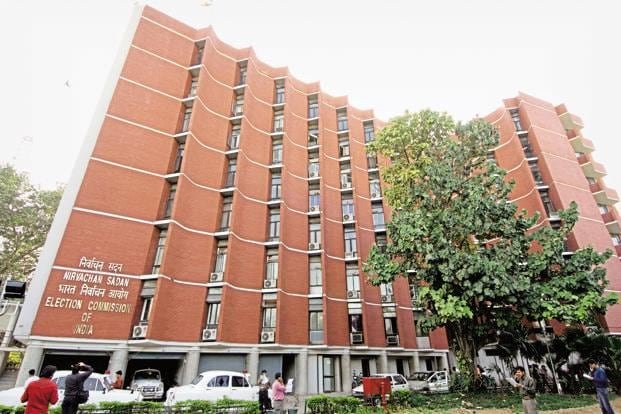
The Election Commission has scheduled voting for 12 Rajya Sabha seats on October 16, 2026: ten from Uttar Pradesh, one from Uttarakhand, and a bye-election for one vacancy from West Bengal. The first eleven form the announced biennial and related election programme, while West Bengal’s contest fills a separate vacancy. Counting is scheduled on the polling day, according to reports of the commission’s announcement.
How these elections work
Members of the Rajya Sabha are chosen through an indirect election by elected members of the relevant state legislative assembly, under the applicable proportional representation procedure. Ordinary voters therefore do not visit a polling station to vote directly for a Rajya Sabha candidate on October 16. Their connection to the process is through the Assembly members they elected and through the upper house’s role in Parliament.
Ten seats are involved in Uttar Pradesh and one in Uttarakhand. Reports say some terms conclude in November, while a Uttar Pradesh vacancy arose after a resignation. The West Bengal seat is a bye-election. The number of seats and poll date are the central confirmed facts; parties’ eventual nominations and the final list of candidates must be established through the formal nomination and scrutiny process. An uncontested return is possible under election rules if the final number of candidates does not exceed vacancies.
Why the result matters
The Rajya Sabha participates in national legislation and scrutiny of government business. Changes in its membership can affect committee work and the arithmetic of votes on bills. Those institutional consequences can be assessed after candidates are finalised and results declared; the schedule alone does not establish which party will win any seat.
Citizens following the contest should consult the Election Commission for notifications, nomination dates, withdrawals and official results. News reports about potential candidates or party negotiations are separate from those formal records. The October programme should also not be confused with Assembly elections or local polls, each of which has its own electorate and administrative timetable.
Sources
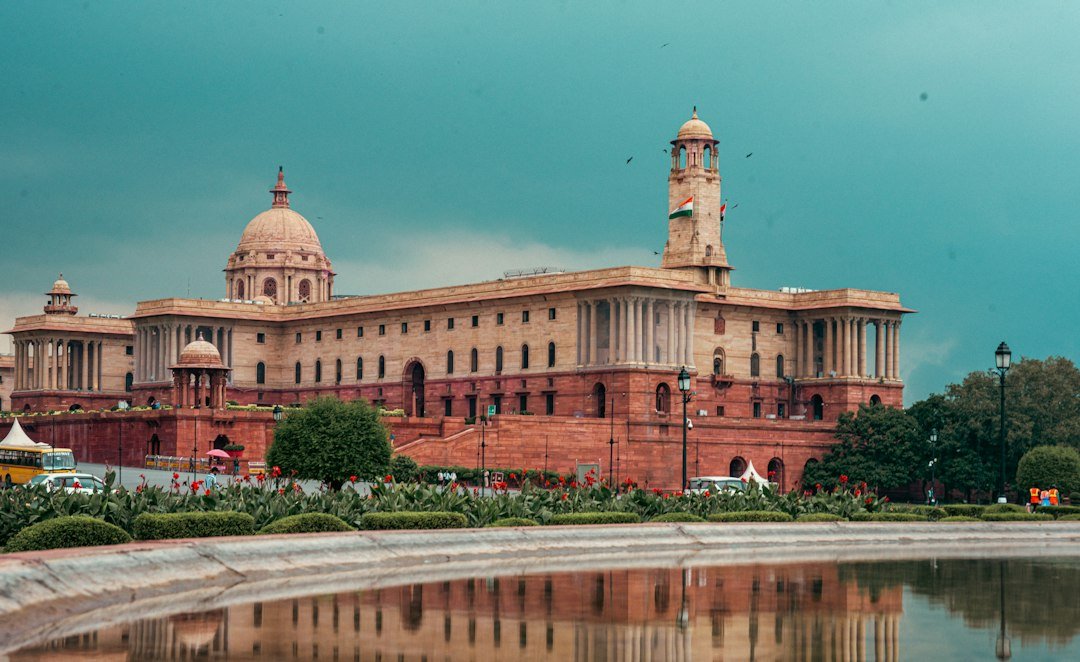
Featured image: illustrative stock photograph by Zoshua Colah / Unsplash.