
The Telangana Pradesh Congress Committee announced plans for protests at district headquarters on September 28 over the Election Commission’s Special Intensive Revision of electoral rolls. State party president Mahesh Kumar Goud described the action on September 25, according to The News Minute. The planned demonstrations form part of a broader political dispute about the commission’s administration of the revision; they are not themselves a change to the voter-registration rules.
What is disputed
Congress leaders have criticised the poll body and called for the resignation of Chief Election Commissioner Gyanesh Kumar. The party’s allegations about impartiality and the handling of voter rolls remain allegations. Other political leaders have defended the commission, while the commission has issued its own explanations of its decisions, according to reporting on the national dispute. Neither a protest nor a party rebuttal establishes the truth of a contested charge.
The Telangana announcement is a separate development from the commission’s practical roll-verification drive. It concerns the response of a state party organisation and the public debate over election administration. Citizens should not infer from political rhetoric that their own names have been removed, or that a form, date or identification requirement has changed in their constituency. Those details must come from the relevant election office and official notices.
Why it matters to voters
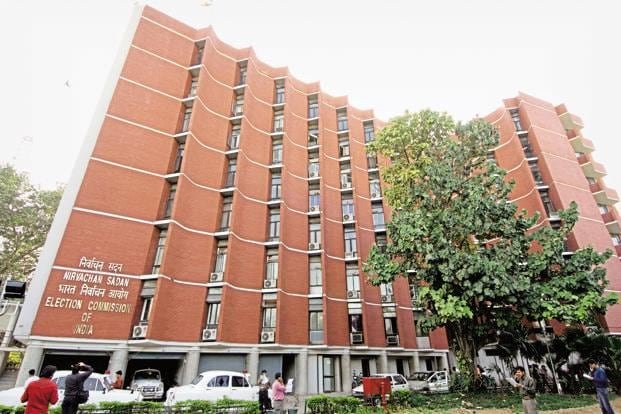
Accurate rolls are essential to participation, and the revision process has prompted questions about how eligible residents can verify entries, correct records and seek inclusion. A voter can check the electoral search and contact local election officials rather than relying on claims made at a demonstration. The Election Commission’s site provides official information and links to voter services; any state-specific schedule should be confirmed with the Chief Electoral Officer or Electoral Registration Officer.
The next developments to watch are an official response to specific objections, any documented changes to revision procedures, and the publication of rolls or decisions on individual claims. Coverage should distinguish documented administrative action from political accusations. The right of parties to question the process and the commission’s responsibility to explain it can both be reported without treating disputed accusations as established facts.
Sources
Featured image: illustrative stock photograph by Austin Curtis / Unsplash.