The Supreme Court agreed on September 29 to list next week a petition questioning the functioning of Chief Election Commissioner Gyanesh Kumar and the conduct of the nationwide Special Intensive Revision of electoral rolls. The development is a procedural step: the court has not suspended the CEC, declared the revision unlawful or accepted the petitioner’s allegations as established facts.
What the petitioner seeks
The Indian Express reported that senior advocate Vikas Singh sought an early hearing for petitioner Rakesh Kumar Singh before a bench headed by Chief Justice of India Surya Kant. The petition concerns how powers belonging to a multi-member Election Commission have been exercised. Reporting by The Economic Times also describes a challenge to the manner in which the CEC has exercised those powers.
The requested relief and the court’s actual action must be read separately. A petition can ask for a restraint or declaration, but the request acquires legal effect only if the court grants it. The listing decision leaves the arguments, responses and applicable legal questions for the hearing. The precise hearing date should be checked against the court’s cause list when it is published.
Context and voter relevance
The case comes amid a public dispute about electoral-roll revision. Reuters reported that the poll body, government ministers and the BJP have denied allegations of manipulation. Those denials and the allegations form the contested context; neither determines the outcome of judicial proceedings. Voters should not treat political statements or a pending lawsuit as a change to their own registration obligations.
This petition is distinct from the appointment-law litigation on which the Supreme Court issued differing opinions on September 23. That earlier case concerns the statutory process for selecting commissioners. The new listing concerns allegations about the commission’s functioning and the revision exercise. Keeping the two proceedings separate helps avoid confusion about what has actually been decided.
The next documented step is the hearing the court agreed to list. Any resulting order may clarify the issues or require a response, but its contents cannot be predicted. Citizens needing assistance with a notice, application or roll entry should continue to use official election-service channels and the procedure applicable in their state.
Sources
- The Indian Express, September 29
- The Economic Times, September 30
- Reuters, September 28 — commission and government response
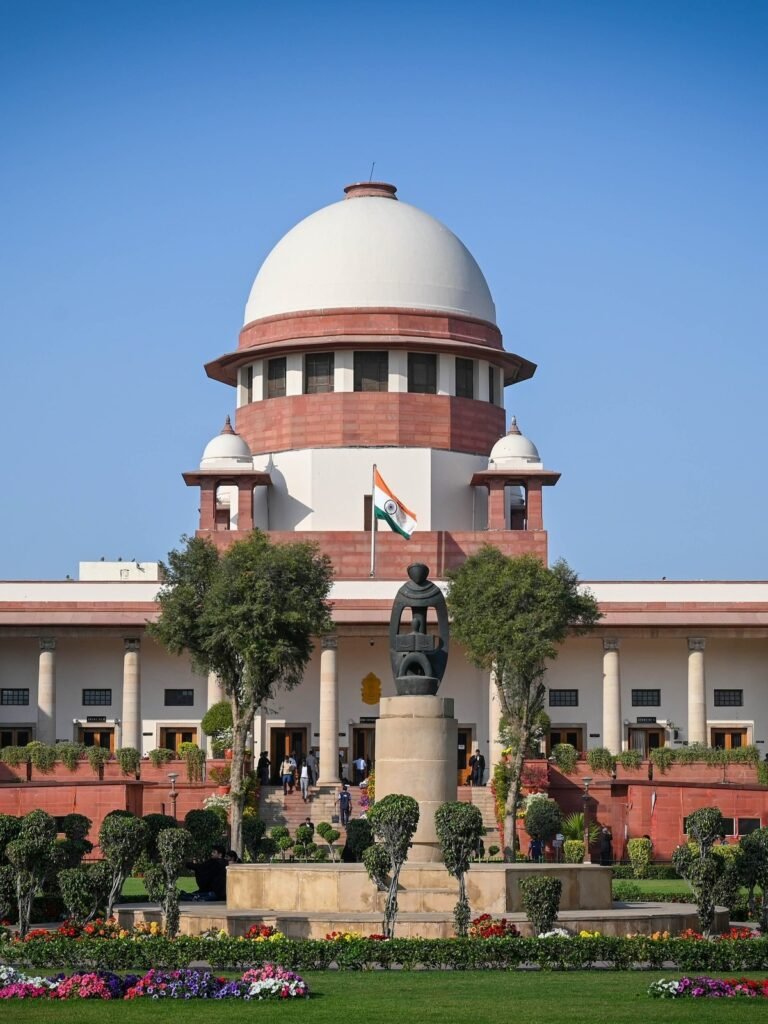
Featured image: illustrative stock photograph by Maahid Photos / Unsplash, licensed through Unsplash. It does not depict the reported event.