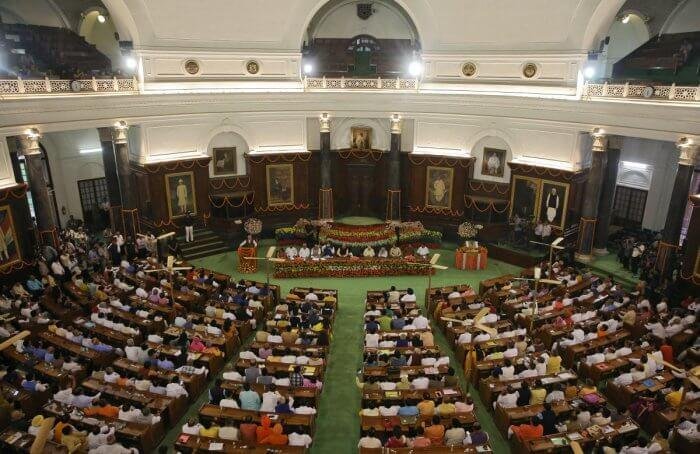
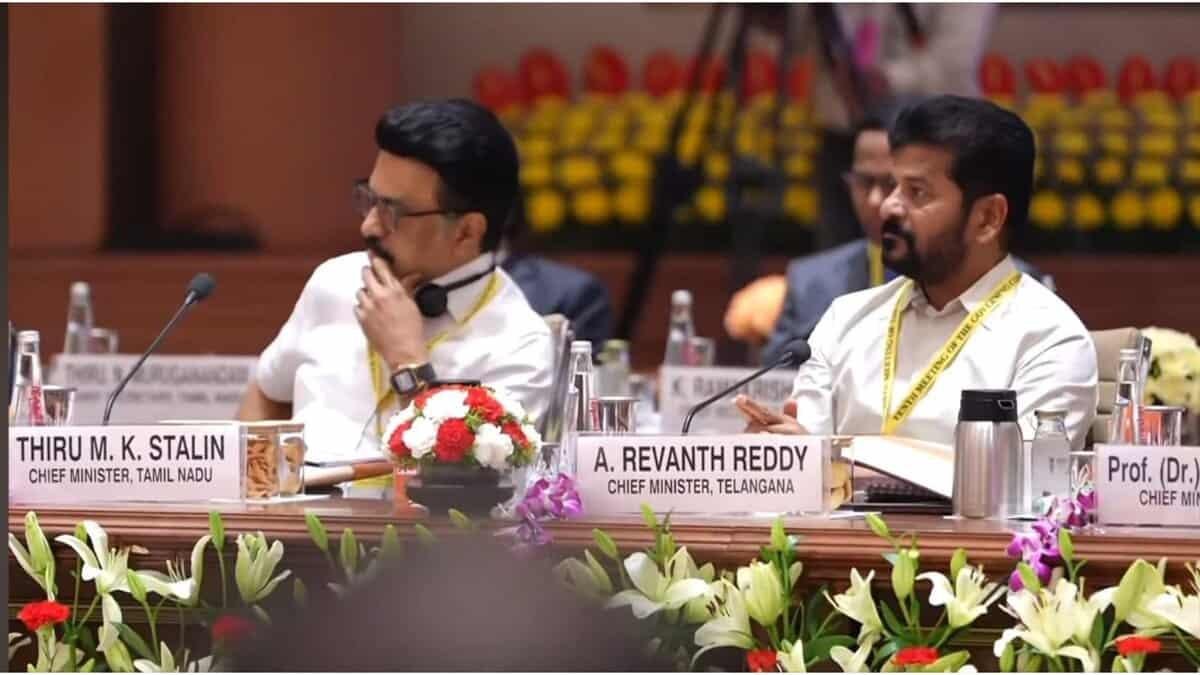
The ongoing debate over Lok Sabha delimitation has turned into a major political flashpoint, with several southern states expressing strong concerns about its potential impact. The proposed plan to increase parliamentary seats from 543 to nearly 850, aimed at implementing women’s reservation before the 2029 elections, has triggered a fresh wave of opposition.
Leaders from southern India argue that basing seat allocation purely on population could create an imbalance in political representation. States in the South, which have made significant progress in controlling population growth and improving development indicators, fear that they may lose their influence in Parliament. In contrast, northern states with higher population growth are likely to gain more seats under the new arrangement.
This issue has also brought attention to the long-standing regional divide in India, often symbolized by the Vindhya mountain range. The divide is not just geographical but also reflects differences in development patterns, governance priorities, and political dynamics between the North and South.
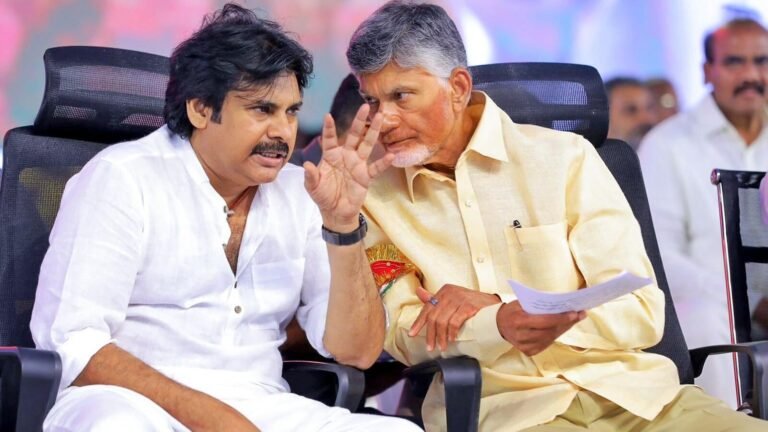
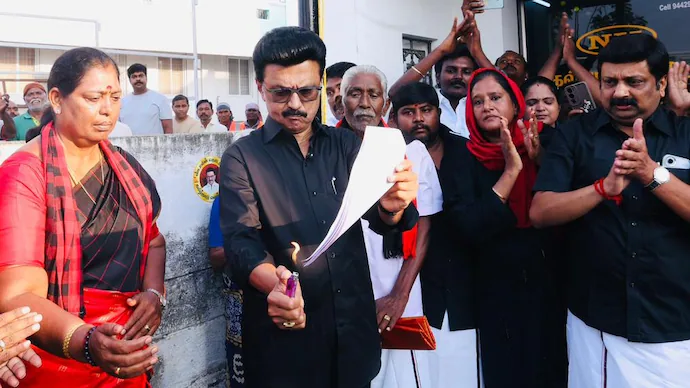
Several prominent leaders have voiced their concerns and called for a fair approach. They emphasize that states which have successfully implemented population control measures should not be disadvantaged. Some leaders have even suggested alternative models that consider both population and economic performance while allocating seats.
The debate has also united political parties across southern states, creating a rare moment of regional solidarity. Many believe that if the concerns are not addressed, it could lead to wider political tensions and deepen the North-South divide in the country.
As discussions continue, the delimitation exercise is expected to play a crucial role in shaping India’s political landscape ahead of the next general elections. The final outcome will not only impact seat distribution but also influence the balance of power among states, making it one of the most significant political issues in recent times.