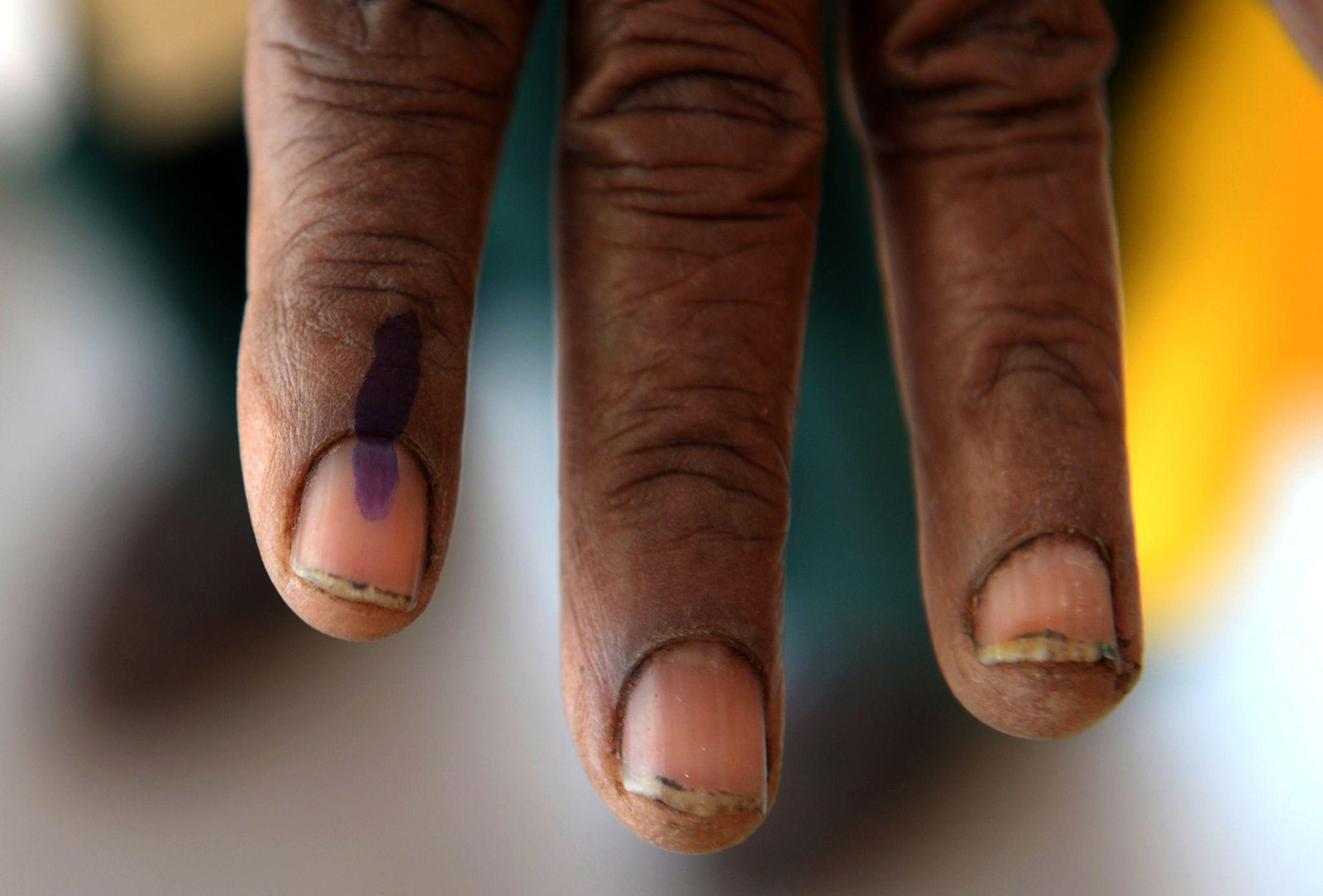
The first phase of the West Bengal Assembly Elections 2026 witnessed a mix of steady voter turnout and rising tensions in certain areas, particularly in Murshidabad district. According to official data, the state recorded a voter turnout of 41.11% by 11 a.m., indicating an active participation from citizens despite reports of disturbances and allegations of voter intimidation.
Polling began early in the morning at 7 a.m. across 152 constituencies spread over 16 districts. Within the first two hours, nearly 18.76% of the electorate had already cast their votes, reflecting an encouraging start. The Election Commission had made elaborate arrangements to ensure a smooth voting process, deploying a massive number of central security forces to maintain law and order. Approximately 2,450 companies of paramilitary personnel, totaling around 2.5 lakh security staff, were stationed across polling booths to prevent any untoward incidents.
However, despite tight security, reports of unrest surfaced from Murshidabad, particularly in the Domkal region. A clash reportedly broke out when supporters of the ruling party and police personnel got into an argument during the visit of a local political leader. The situation escalated as tensions grew between groups, raising concerns about the overall safety of voters in the area.
Several residents in Domkal alleged that they were prevented from exercising their democratic rights. According to voters, there were instances of threats and intimidation, with some claiming they were warned of physical harm if they attempted to approach polling stations. These allegations prompted immediate attention from the Election Commission of India, which has sought a detailed report from local authorities regarding the situation.
The Election Commission emphasized its commitment to ensuring free and fair elections. Officials stated that strict action would be taken if any violations were found. The presence of heavy security forces was intended to reassure voters and prevent disruptions, but isolated incidents like the one in Murshidabad highlighted the challenges of conducting large-scale elections in politically sensitive regions.
This election is particularly significant as it follows a Special Intensive Revision (SIR) of the voter list, which resulted in a reduction of nearly 12% of the electorate. This revision has been a topic of political debate, with various parties raising concerns over the exclusion of voters. Despite this, a total of around 3.60 crore voters are eligible to participate in this election phase.
The stakes are high for all major political parties, as the outcome of these elections is expected to have a significant impact on the state’s political landscape. Campaigning in the run-up to the elections had already been intense, with allegations and counter-allegations exchanged between rival parties.
Looking ahead, the second phase of polling is scheduled for April 29, covering 142 constituencies, including key areas around Kolkata. The final counting of votes will take place on May 4, when the results will determine the next government in the state.
while voter turnout remains promising, the incidents of violence and intimidation have raised concerns about the conduct of elections. Authorities are expected to take additional measures in the coming phases to ensure that voters can exercise their rights without fear.