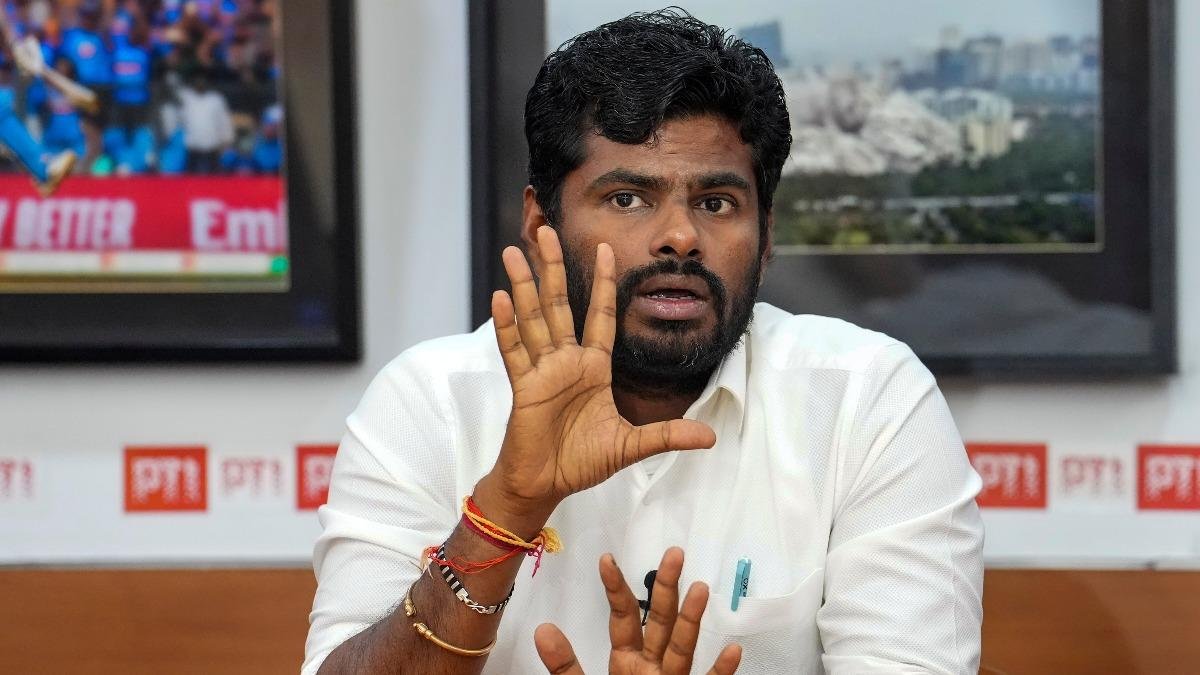
As the political atmosphere intensifies ahead of the Tamil Nadu Assembly elections, senior BJP leader K. Annamalai has raised questions about the unity of the alliance between the Dravida Munnetra Kazhagam (DMK) and the Indian National Congress. His remarks have sparked fresh discussions about whether all is well within the opposition bloc as the state prepares to vote.
Annamalai pointed out what he described as a noticeable absence of support from Congress leader Rahul Gandhi for DMK chief and Tamil Nadu Chief Minister M. K. Stalin. According to him, Rahul Gandhi has not publicly endorsed Stalin as the chief ministerial face in recent weeks, nor has he actively campaigned alongside him in the state. This, Annamalai suggested, indicates possible cracks within the alliance that forms part of the broader INDIA bloc.
Speaking to the media, Annamalai emphasized that Rahul Gandhi’s messaging in Tamil Nadu appears to focus primarily on opposing the BJP, rather than promoting the DMK leadership. He argued that such an approach reflects a lack of cohesive strategy among alliance partners. He further claimed that leaders from other parties within the INDIA bloc have also not come forward to strongly support Stalin’s leadership during the campaign period.
Expressing confidence in his party’s prospects, Annamalai said that the mood on the ground suggests a growing inclination among voters toward change. He stated that many people across Tamil Nadu are showing support for the National Democratic Alliance (NDA), led by the Bharatiya Janata Party. According to him, this shift in public sentiment could translate into significant gains for the BJP in the upcoming elections.
However, leaders from the DMK have dismissed these claims, offering a different explanation for the perceived lack of joint campaigning. The party clarified that Rahul Gandhi and Stalin are not appearing together at rallies due to scheduling conflicts rather than political differences. DMK organizing secretary RS Bharathi explained that both leaders have prior commitments and are therefore conducting their campaigns independently in different regions of the state.
The Congress party, which is contesting 28 seats as part of the DMK-led Secular Progressive Alliance, continues to maintain that the alliance remains strong and united. DMK leaders have also asserted that support for their coalition is increasing as the election date approaches, countering the BJP’s narrative of internal discord.
In response to Annamalai’s allegations, Bharathi criticized the BJP and accused it of attempting to create confusion among voters. He further alleged that certain actions by BJP members, such as collecting personal voter information under the pretext of distributing financial benefits, were inappropriate. According to him, a formal complaint has been submitted to the Election Commission regarding these activities.
Additionally, Bharathi raised concerns about alleged practices by members of the All India Anna Dravida Munnetra Kazhagam (AIADMK), claiming that they were distributing pamphlets resembling vouchers that promised cash benefits to voters. He argued that such actions could mislead the electorate and influence voting behavior unfairly.
The political contest in Tamil Nadu is becoming increasingly competitive, with each party attempting to shape public perception in its favor. While the BJP is projecting confidence and highlighting what it sees as weaknesses in the opposition alliance, the DMK and Congress are focusing on defending their partnership and emphasizing their campaign efforts.
As election day draws closer, the focus will remain on how effectively each alliance can mobilize voters and address key issues. Whether the claims of a rift within the DMK-Congress alliance hold any weight or are merely part of political strategy will ultimately be decided by the electorate at the ballot box.