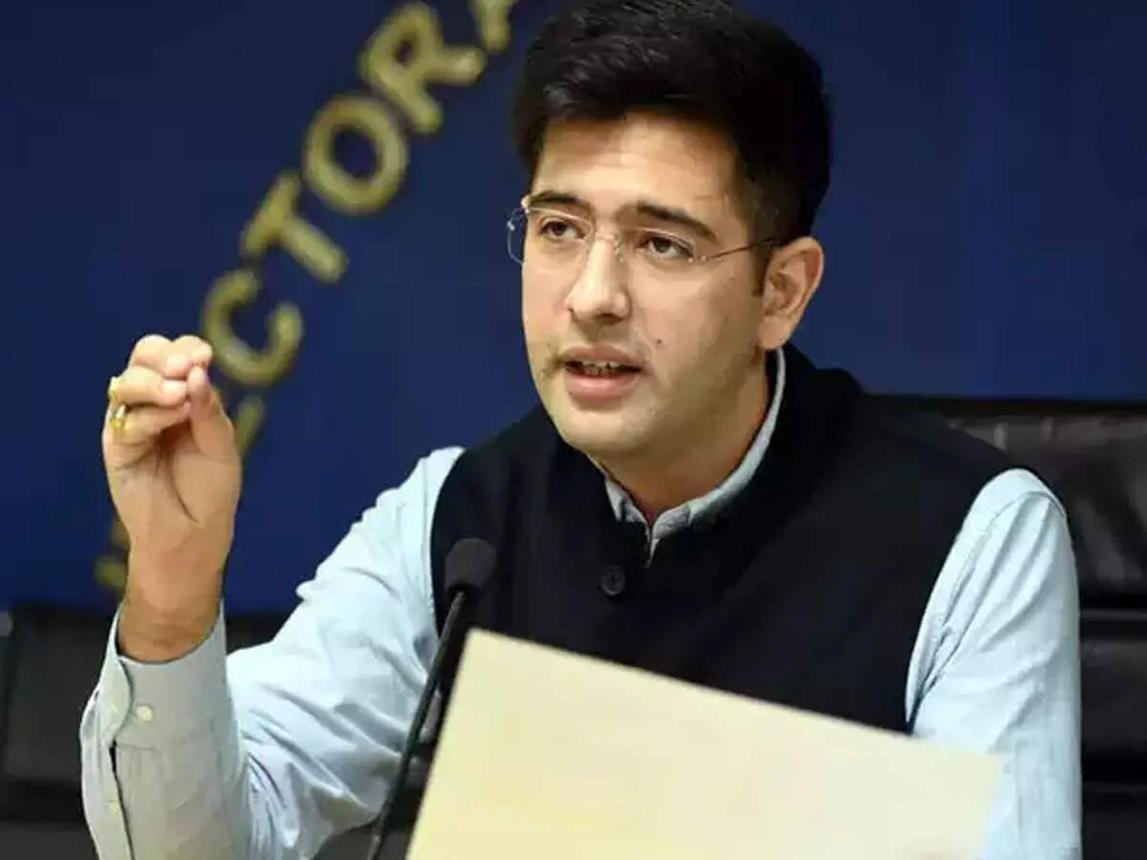
Raghav Chadha, once a prominent leader of the Aam Aadmi Party (AAP), has recently made headlines after switching allegiance to the Bharatiya Janata Party (BJP). His decision, along with six other AAP leaders, has sparked intense political debate and raised questions about internal dynamics within the AAP. In a detailed Instagram video, Chadha addressed critics and supporters alike, explaining the reasons behind his controversial move.
Chadha, who played a key role in the formation of AAP nearly 15 years ago, emphasized that his entry into politics was driven by a desire to serve the country rather than build a personal career. Before joining politics, he was a successful Chartered Accountant with a promising future. However, he chose to leave that path to contribute to public service. According to him, his recent decision aligns with the same principles that guided him at the start of his political journey.
One of the primary reasons Chadha cited for his exit was what he described as a “toxic work environment” within the AAP. He claimed that the party had changed significantly from its original vision and values. Over time, he felt that constructive voices were being suppressed and internal democracy was weakening. He pointed out that he was restricted from speaking in Parliament after being removed from his role as Deputy Leader in the Rajya Sabha. This, he suggested, was part of a broader attempt to silence dissenting opinions within the party.
Chadha also made serious allegations about the current leadership of AAP, stating that the party is now controlled by individuals who prioritize personal gain over national interest. He echoed criticisms often raised by BJP leaders, including allegations of corruption and lack of transparency. According to him, these developments made it increasingly difficult for him to continue working within the party.
Faced with this situation, Chadha said he had three choices: to quit politics entirely, to remain within AAP and attempt to reform it from within, or to move forward by joining another platform where he could continue contributing positively. He ultimately chose the third option, believing it would allow him to utilize his experience and energy more effectively.
A key point in his argument was that he was not alone in his decision. Six other AAP leaders also resigned and joined the BJP alongside him. Chadha stressed that while one or two individuals might make a wrong decision, it is unlikely that all seven would be mistaken. This, he suggested, indicates deeper issues within the AAP that prompted their collective exit.
The AAP, however, has strongly criticized Chadha’s move, accusing him of betrayal. Party leaders highlighted that Chadha was given significant opportunities, including being appointed as one of the youngest Rajya Sabha members at the age of 33. They argue that his departure at a crucial time reflects poorly on his commitment to the party.
This political shift comes at a sensitive time, especially with upcoming elections in Punjab and the broader implications for AAP’s future. Once a dominant force in Delhi politics, the party has faced setbacks in recent years, including electoral defeats and allegations of corruption against its leadership.
Chadha’s move to the BJP could have far-reaching consequences, both for his political career and for the dynamics of Indian politics. While his supporters view it as a bold and principled decision, critics see it as opportunistic. As the situation continues to evolve, it remains to be seen how this development will impact the political landscape in the coming months.