Akhilesh Yadav announces political shift following setbacks in Bengal and Tamil Nadu.
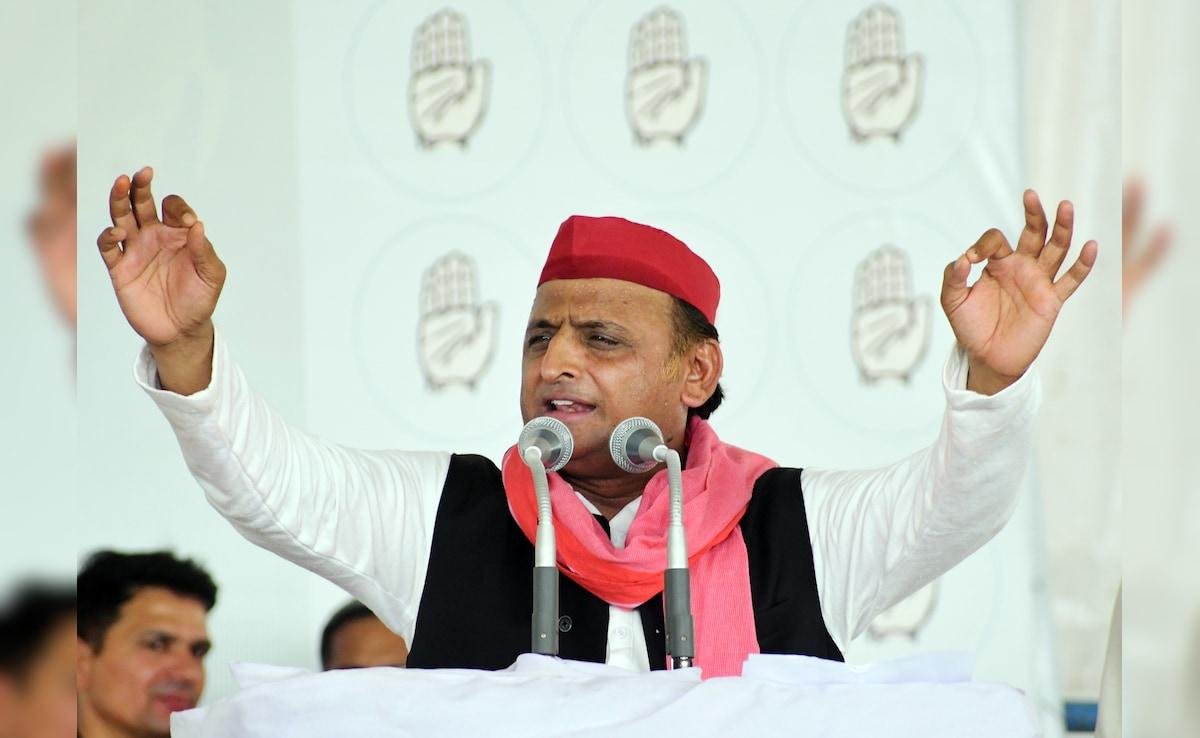
The Samajwadi Party has decided to end its association with political consulting firm I-PAC ahead of the crucial 2027 Uttar Pradesh Assembly elections. Party chief Akhilesh Yadav confirmed the development while speaking to reporters, saying the decision was mainly due to financial constraints.
The move comes at a significant time in Indian politics, especially after recent election setbacks suffered by opposition parties that had worked closely with I-PAC during campaigns in West Bengal and Tamil Nadu.
According to sources, I-PAC had been expected to assist the Samajwadi Party in constituencies where the margin of defeat during the 2022 Uttar Pradesh elections was narrow. The company was reportedly working on election strategy, voter outreach, and booth-level planning to strengthen the party’s chances in the upcoming polls.
However, Akhilesh Yadav clarified that the partnership could not continue because of budget limitations. In a light-hearted remark, he joked that the party simply did not have enough funds to continue hiring such firms and humorously suggested that the media could contribute if they wanted another company to be brought in.
Despite ending ties with I-PAC, the Samajwadi Party is expected to continue working with another election management and social media agency called Showtime. Reports suggest the agreement with Showtime was signed around two months ago and remains active. The party believes it can continue strengthening its digital and campaign operations through that collaboration.
The decision has gained wider attention because it comes shortly after major political setbacks faced by opposition parties associated with I-PAC. In West Bengal, Mamata Banerjee and the Trinamool Congress suffered a crushing defeat to the BJP. Similarly, in Tamil Nadu, the DMK government led by M. K. Stalin lost power to actor-turned-politician Vijay and his party, Tamilaga Vettri Kazhagam (TVK).
Political observers noted that the defeats of both Mamata Banerjee and MK Stalin in their own strongholds highlighted the scale of anti-incumbency and changing voter preferences. Though Akhilesh Yadav denied that these results influenced his decision regarding I-PAC, political analysts believe the recent failures may have contributed to growing doubts within opposition circles.
Another factor adding to the controversy is the arrest of Vinesh Chandel, one of the co-founders of I-PAC along with political strategist Prashant Kishor. Chandel was arrested by the Enforcement Directorate in connection with an alleged money laundering investigation linked to the West Bengal coal scam. Investigators alleged that funds were routed illegally through the company operating I-PAC.
Although Chandel was later granted bail, the investigation reportedly raised concerns among political parties regarding the consultancy firm’s operations. Reports also suggested that I-PAC had started reducing its presence in certain states during recent election campaigns, possibly because of pressure from ongoing investigations.
For Akhilesh Yadav, the 2027 Uttar Pradesh Assembly election is being seen as a make-or-break political battle. The Samajwadi Party is widely viewed as the BJP’s strongest challenger in the state. With several opposition leaders facing electoral defeats in recent years, pressure is increasing on Akhilesh to rebuild the opposition’s strength in India’s most politically important state.
Political analysts believe the decision to move away from I-PAC signals a shift in strategy as the Samajwadi Party prepares for an intense battle against the BJP in Uttar Pradesh. Whether this move strengthens the party’s grassroots connection or weakens its campaign machinery remains to be seen in the coming months.