Trump rejects Iran’s peace proposal amid rising Middle East tensions.
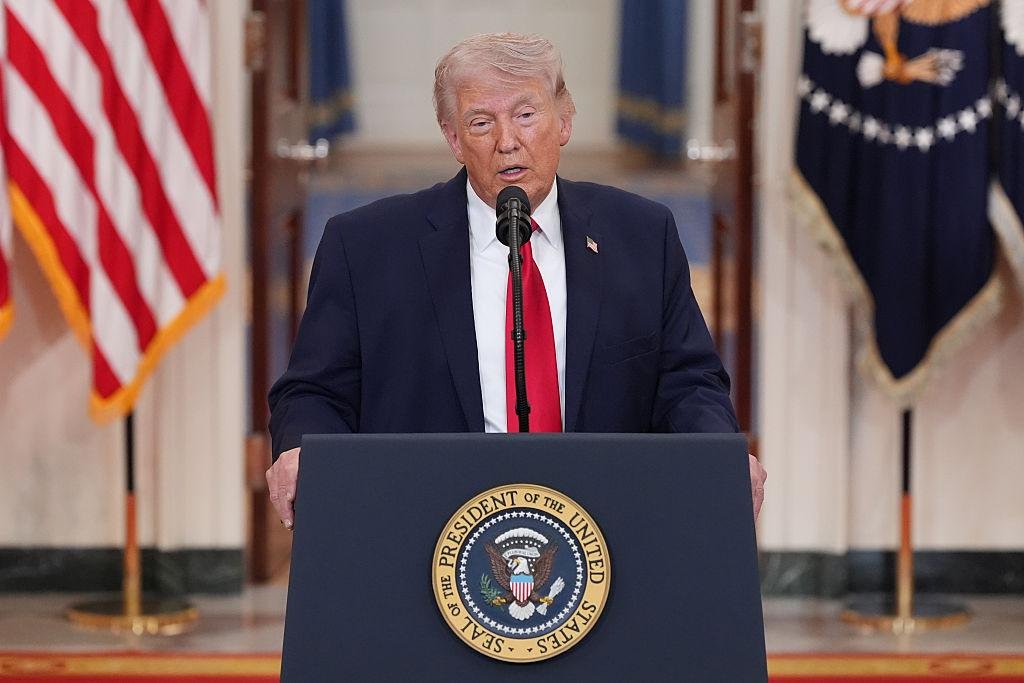
Fresh tensions have emerged in the Middle East after US President Donald Trump rejected Iran’s latest proposal aimed at ending the ongoing conflict between Washington and Tehran. The war, which has continued for more than two months, now appears far from resolution as both nations exchange strong warnings and refuse to soften their positions.
Trump described Iran’s peace terms as “totally unacceptable” and claimed that the Islamic Republic had already been “militarily defeated.” In a post shared on his Truth Social platform, the US President said he had reviewed Tehran’s response through mediators and firmly rejected it without revealing specific details.
According to reports, Iran had proposed a plan that included reducing part of its highly enriched uranium stockpile while transferring the remaining material to a third country. Tehran also reportedly demanded guarantees that the uranium would be returned if the United States withdrew from any future agreement. The proposal was said to have been delivered through Pakistani mediators during ongoing diplomatic discussions.
However, Trump maintained a hardline stance and insisted that the United States continues to closely monitor Iran’s nuclear activities. He also warned that any attempt to move or hide enriched uranium would immediately be detected by American surveillance systems, including the US Space Force.
During an interview, Trump claimed that US intelligence systems could identify anyone approaching Iran’s nuclear facilities and threatened strong military action if necessary. His comments have raised fears that military confrontation could resume despite weeks of behind-the-scenes negotiations.
Iran quickly responded to Trump’s statements with warnings of its own. Tehran said it would not hesitate to retaliate against any future American attacks and would refuse to allow foreign military ships into the strategically important Strait of Hormuz. Iranian state media also rejected the American counterproposal, calling it an attempt to force Iran into surrender.
Iranian officials instead demanded war reparations from the United States, an end to economic sanctions, the release of frozen Iranian assets, and full sovereignty over the Strait of Hormuz. The Iranian government insisted that negotiations should not be mistaken for weakness or retreat.
Iranian President Masoud Pezeshkian stated that his country would never surrender to outside pressure and emphasized that dialogue does not mean submission. Meanwhile, reports from Iranian state television claimed that Iran’s new supreme leader Mojtaba Khamenei had instructed military commanders to continue strong operations against enemies.
At the same time, Israeli Prime Minister Benjamin Netanyahu stressed that the conflict cannot end until Iran’s nuclear facilities are dismantled and its enriched uranium is completely removed from the country. Netanyahu said Israel and the United States remain determined to stop Iran from advancing its nuclear programme.
The Strait of Hormuz has become another major point of tension during the conflict. Iran has tightened control over the vital waterway, through which a large percentage of the world’s oil supply passes. Rising instability in the region has already affected global oil prices and increased fears of disruption to international trade.
Meanwhile, Britain and France are discussing plans for a multinational security mission in the region to protect shipping routes after any future peace agreement. Iran, however, warned that any foreign military deployment in the Strait of Hormuz would face an immediate and decisive response.
With both sides refusing to compromise and military threats continuing to rise, the possibility of a larger regional conflict remains a major concern for the international community.