India and the Gulf Cooperation Council reviewed their cooperation at a ministerial meeting in New York on September 25, 2026, during the United Nations General Assembly week. External Affairs Minister S. Jaishankar co-chaired the meeting with Bahrain Foreign Minister Abdullatif bin Rashid Al Zayani, according to the GCC Secretariat. The talks covered the relationship’s practical agenda and regional issues.
The agenda under review
India and GCC members have a Joint Action Plan for 2024–2028 that spans political dialogue, security, trade, investment, food security, transport, energy, health, culture and education. The meeting reviewed progress under that framework. Officials also welcomed the launch of negotiations on a free trade agreement after the terms of reference were finalised earlier in 2026. Welcoming negotiations is a procedural step, not an announcement that a final trade pact has been signed.
The GCC includes Bahrain, Kuwait, Oman, Qatar, Saudi Arabia and the United Arab Emirates. These countries are important to India for energy supplies, commerce and the large Indian community living and working in the Gulf. Decisions affecting maritime routes, labour mobility or trade can have direct consequences for Indian households and businesses. The ministers’ meeting itself did not announce an immediate change to visas, consumer prices or employment rules.
Regional issues and maritime security
The GCC Secretariat said the partners discussed cooperation and the need for regional stability. The published account also refers to the security of navigation and supply chains amid tensions in West Asia. Specific positions on disputed regional events should be read from the participants’ own statements, rather than inferred from a broad diplomatic communiqué. The meeting was a forum for discussion, not a settlement of regional conflicts.
For India, the public-interest questions are whether the planned cooperation produces concrete arrangements and how any eventual trade agreement affects sectors, workers and consumers. Negotiating objectives can differ among parties, and no final tariff schedule or legally binding deal emerged from this meeting.
What happens next
Officials will continue work under the Joint Action Plan and the separate trade negotiations. Any completed agreement would require an announced text and the applicable approval steps. Readers should watch for releases from India’s Ministry of External Affairs and the GCC Secretariat before treating proposals as adopted policy.
Sources
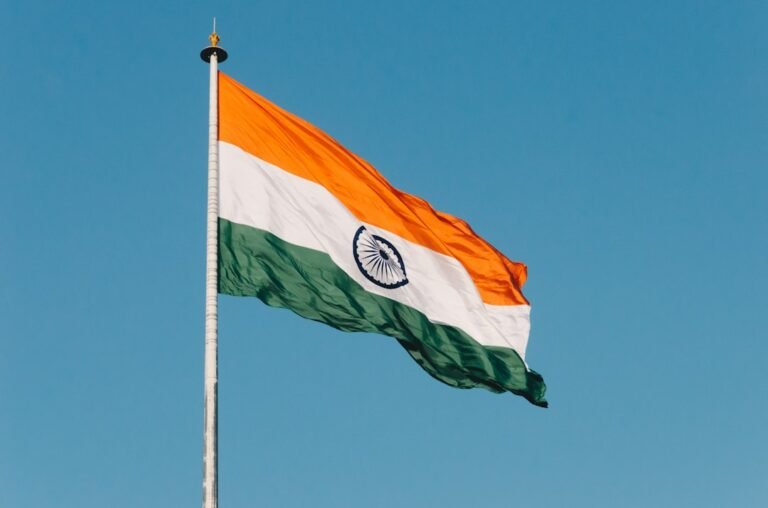
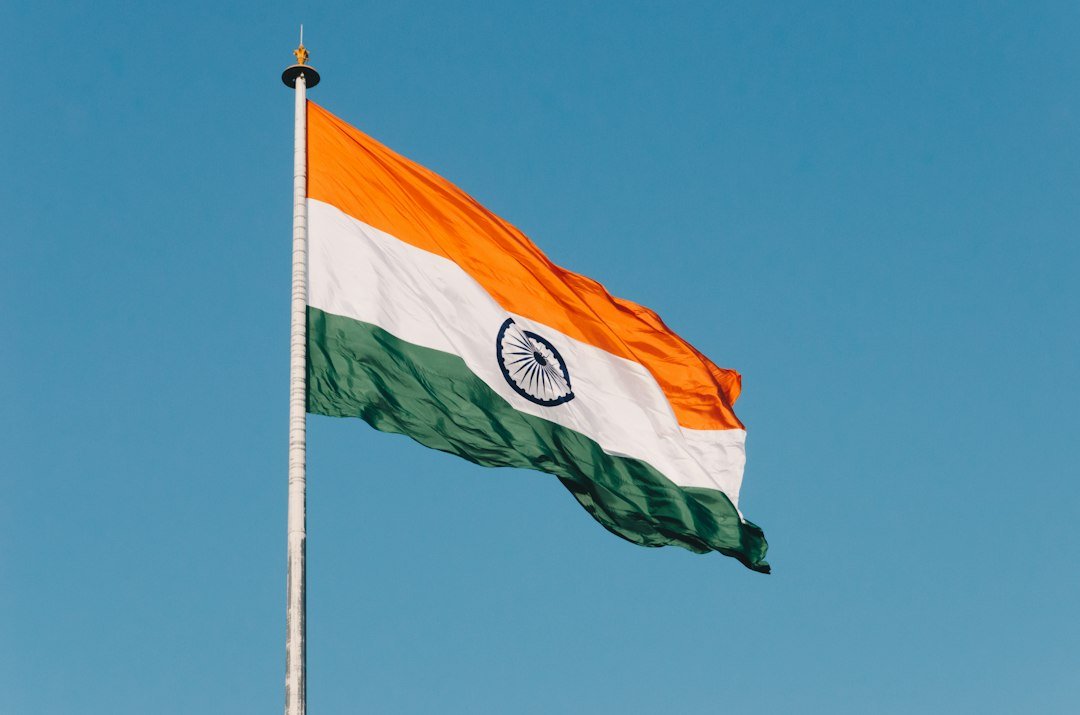
GCC Secretariat, September 26; Qatar Ministry of Foreign Affairs, September 25. Illustrative photo: Naveed Ahmed/Unsplash; the image does not depict the meeting.