The Department of Agriculture and Farmers’ Welfare scheduled a two-day national conference for the Rabi Campaign 2026 on September 28 and 29 in New Delhi. The gathering at the National Agricultural Science Complex in Pusa is intended to bring state agriculture ministers, central and state officials, Indian Council of Agricultural Research representatives and other stakeholders together to review readiness for the forthcoming season.
What the meeting is for
The Agriculture Ministry’s September 27 announcement said Union Minister Shivraj Singh Chouhan would inaugurate the conference. It described the agenda as strengthening coordination between the Centre and states and developing an outcome-oriented approach to Rabi preparations. The programme gives state ministers a forum to set out their own priorities and experiences. The announcement is a plan for discussion, not a declaration that specific inputs or funds have already reached farmers.
Rabi crops are grown in the cooler part of the agricultural year, and planning involves decisions across seed availability, extension advice, water, inputs and market arrangements. Conditions differ from state to state. A national meeting can identify shared problems, but any operational change for a district needs follow-up by the responsible state department and local offices.
What farmers and residents should watch
For farmers, the useful outcomes will be concrete state advisories and supply information issued after the conference, especially any documented schedules and contacts for local services. A speech at an inaugural session should not be treated as an application window, subsidy sanction or crop-specific guarantee. Official agriculture departments remain the appropriate source for eligibility, procurement and field advice.
For the wider public, the conference is a governance milestone because Centre–state cooperation can shape food availability and public spending. Its value is better measured against actions reported after the delegates meet: published decisions, implementation responsibilities and later progress. The ministry’s release identified September 28–29 as the meeting dates, so any account of its resolutions should rely on a subsequent official record rather than assumptions made in advance.
Sources
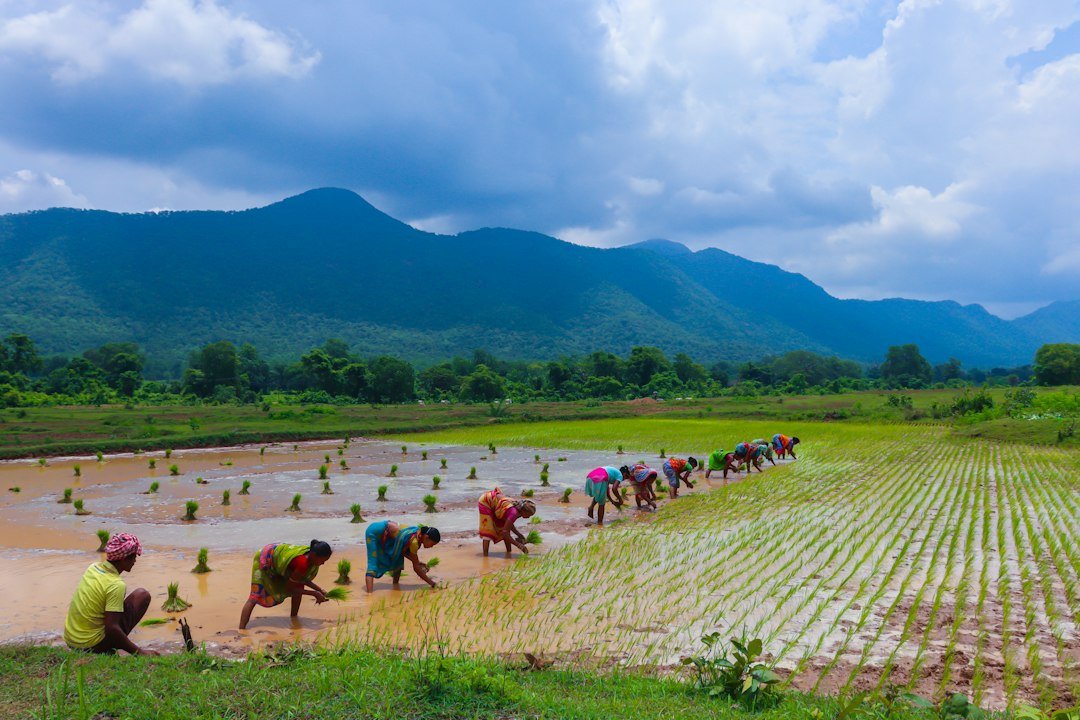
Featured image: illustrative stock photograph by Jagamohan Senapati / Unsplash.