
Central ministries and departments disposed of 2,42,391 public grievances in August 2026, according to the Department of Administrative Reforms and Public Grievances’ latest monthly report. Released on September 25, the report puts pending central grievances at 93,864 and the average disposal time for 2026 at 13 days. These figures describe recorded administrative performance rather than a guarantee that every complainant received a satisfactory remedy.
What the figures measure
The report is DARPG’s fifty-second monthly review of the Centralized Public Grievance Redress and Monitoring System. It records 2,51,147 cases received during August, alongside the month’s disposal total. Receipts, disposals and pending cases are different measures: cases closed in a month need not all have been received in that same month.
The report also identifies 1,38,801 new users and 8,999 grievances registered through Common Service Centres. These figures show use of the service and its assisted channel. They do not, by themselves, measure the quality of the response given in an individual case.
What citizens can do after filing
The official CPGRAMS service allows users to lodge and track grievances concerning public-service delivery. A useful complaint identifies the responsible service, the problem and the relevant records. Citizens should retain the registration details so that the case and the response can be followed through the portal.
The portal explains that a complainant can give feedback after closure. A poor rating enables an appeal option for the applicable central grievance. Its FAQ says the applicant should file the appeal within 30 days. Users should check the instructions displayed for their own case rather than assume that a complaint made through another department’s channel follows exactly the same process.
For voters, grievance handling is one way to examine government responsiveness between elections. An aggregate average is useful for comparison, but the substance of a particular reply remains important. The next monthly report will provide another benchmark, while individual applicants can assess whether the explanation or action addresses their complaint. A case marked disposed should therefore be read together with the response and available review route.
Sources
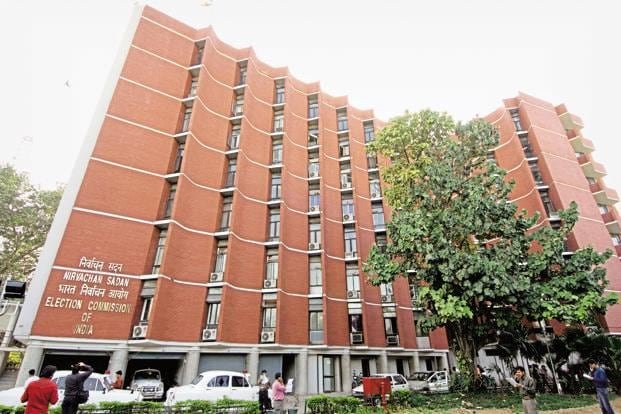
Featured image: illustrative stock photograph by Zoshua Colah / Unsplash, licensed through Unsplash. It does not depict the reported event.