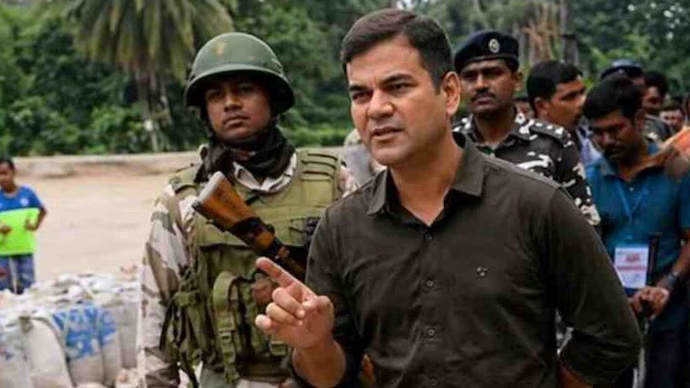
A controversy has erupted during the ongoing West Bengal elections after a petition was filed seeking the immediate removal of IPS officer Ajay Pal Sharma from his role as police observer in South 24 Parganas district. The development comes amid heightened political tensions during the second phase of polling in the state.
The petition describes Sharma as “highly partisan” and accuses him of acting in a manner that could influence the fairness of the electoral process. It alleges that since taking charge, the officer has engaged in intimidation, exerted undue pressure, and behaved in a biased manner toward certain political groups. According to the complaint, such actions risk undermining the integrity of the election environment.
Ajay Pal Sharma, often referred to as a “Singham” figure due to his reputation as an encounter specialist from his time in Uttar Pradesh, has become a central figure in the political debate. His deployment in West Bengal has triggered sharp reactions from both the Bharatiya Janata Party (BJP) and the ruling Trinamool Congress (TMC).
The situation intensified when TMC leaders accused Sharma of entering residential areas in Falta, located in South 24 Parganas, and allegedly harassing women. The accusations followed the circulation of a video showing the officer outside the residence of Jahangir Khan, a TMC candidate and close associate of party leader Abhishek Banerjee. In the video, Sharma is seen warning against any attempts to disrupt the polling process and stating that strict action would be taken if complaints of voter intimidation were received.
While TMC leaders interpreted his remarks as threatening and inappropriate, election authorities offered a different perspective. West Bengal’s Chief Electoral Officer stated that Sharma’s comments were intended to reassure voters and maintain order during the election process. According to officials, the officer was acting within his authority to ensure a free and fair election.
The incident has sparked a political war of words. BJP leaders have come out in support of Sharma, praising his firm stance. Senior BJP leader Amit Malviya described him as a tough officer who was simply enforcing law and order and ensuring that the polling process was not disrupted. He suggested that such actions were necessary to maintain discipline during elections.
On the other hand, TMC representatives have strongly objected to his conduct, arguing that it reflects bias and could intimidate voters and party workers. Jahangir Khan himself responded defiantly, dismissing Sharma’s reputation and asserting that he would not be intimidated by threats. His remarks added a dramatic tone to the already heated political atmosphere.
The controversy highlights the fragile and tense nature of election management in highly competitive political environments. The role of police observers is critical in maintaining neutrality and ensuring that voters can exercise their rights without fear or influence. Any perception of bias can quickly escalate into a political issue, as seen in this case.
As polling continues, the Election Commission and state authorities are under pressure to ensure transparency and fairness. Whether the petition will lead to any action against Ajay Pal Sharma remains to be seen, but the episode has already added another layer of complexity to the Bengal elections.
the incident underscores the intense political rivalry in West Bengal and the challenges faced in conducting elections in such charged circumstances.