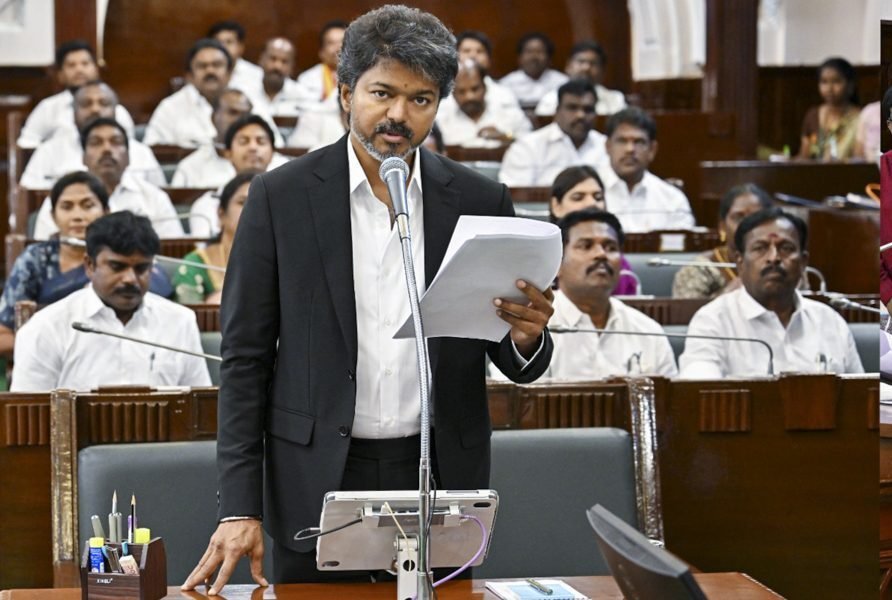
Tamil Nadu Chief Minister C. Joseph Vijay has strongly urged the Union government to abolish the National Eligibility cum Entrance Test (NEET) for medical admissions, following the cancellation of NEET-UG 2026 due to an alleged paper leak scandal. Vijay said the repeated controversies surrounding the examination prove that the current system has “deep structural flaws” and is unfair to many students, especially those from rural and economically weaker backgrounds.
The statement came shortly after the National Testing Agency (NTA) cancelled NEET-UG 2026, which had been conducted on May 3 across more than 5,400 examination centres in the country. Over 22 lakh students appeared for the examination this year, including approximately 1.4 lakh candidates from Tamil Nadu. The cancellation created uncertainty and disappointment among lakhs of aspiring medical students who had spent months preparing for the highly competitive entrance test.
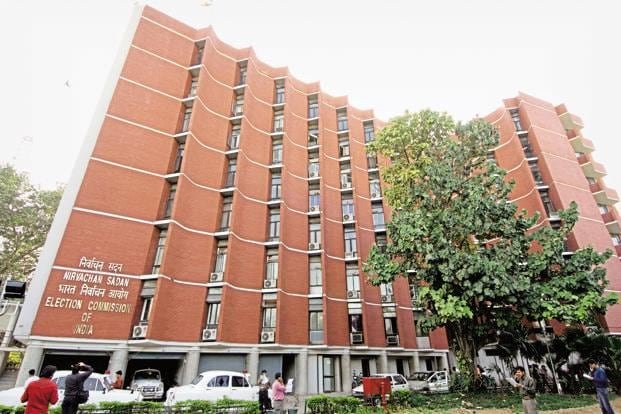
According to reports, the Central Bureau of Investigation (CBI) has already arrested several individuals and carried out searches at multiple locations across India in connection with the alleged paper leak and exam irregularities. The issue has once again sparked a nationwide debate about the credibility and transparency of centralized entrance examinations.
Reacting to the controversy, Vijay stated that the cancellation of the exam had destroyed the hopes of many students and families. He pointed out that this was not the first time NEET had faced allegations of malpractice. Referring to the NEET 2024 controversy, he recalled that multiple FIRs had been registered in several states after reports of a paper leak surfaced. Following those incidents, the Supreme Court had directed the Union government to form a high-level committee headed by former ISRO chairman K. Radhakrishnan to recommend reforms in the examination system.
Vijay noted that despite the committee reportedly making 95 recommendations to improve the process, another major controversy had emerged within two years. According to him, this clearly indicates that the exam system itself is fundamentally flawed and requires a complete rethink rather than temporary corrections.
Tamil Nadu has consistently opposed NEET ever since it became mandatory for medical admissions across India. Political parties and education activists in the state have often argued that the exam puts students from rural regions, government schools, Tamil-medium institutions and poor families at a disadvantage when compared to urban students who have access to expensive coaching centres and better educational resources.
The Chief Minister reiterated Tamil Nadu’s long-standing demand that states should be allowed to conduct admissions to MBBS, BDS and AYUSH courses under the state quota based entirely on Class 12 marks instead of a national entrance examination. He argued that school examination marks better reflect a student’s consistent academic performance and reduce the pressure created by one highly competitive test.
The renewed demand from Tamil Nadu is expected to intensify the national debate over NEET, especially at a time when concerns over exam integrity, student stress and fairness are becoming major public issues across the country.