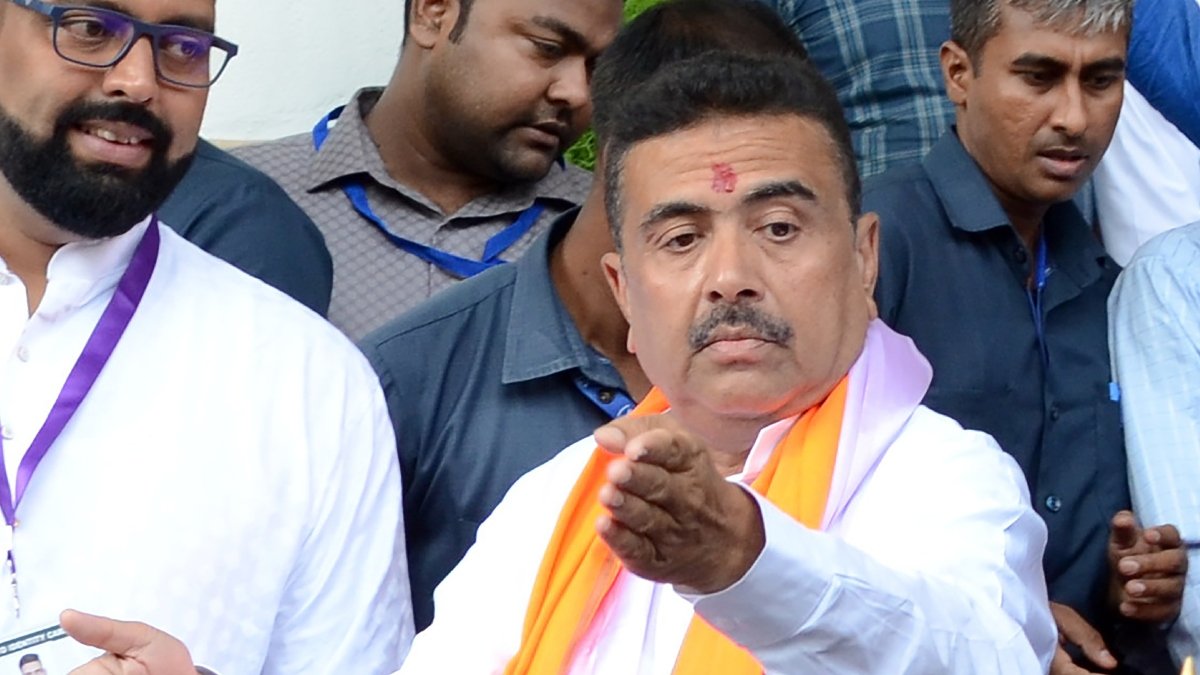
The newly formed West Bengal government led by Suvendu Adhikari has announced a major shift in state policy by deciding to discontinue welfare schemes based on religious identity. The decision was taken during the first cabinet meeting of the new administration and marks a significant change from policies introduced during the earlier Trinamool Congress rule.
According to state ministers, all financial assistance programmes operated under the Minority Affairs and Madrasa Education Department, along with certain cultural schemes linked to religious communities, will continue only until the end of May. From June onward, these schemes will officially be stopped. The government clarified that future welfare measures would focus on economic and social needs rather than religion.
The earlier government under Mamata Banerjee had introduced monthly honorariums for Muslim religious leaders in 2012. Under that initiative, registered imams were provided a monthly allowance of ₹2,500 to support those from financially weaker backgrounds. Soon after, muezzins — the individuals responsible for calling worshippers to prayer in mosques — were also included under a similar support programme funded by the state’s minority welfare department.
Years later, in 2020, the then government expanded the benefit to Hindu temple priests, also known as purohits. The move was seen by many political observers as an attempt to balance criticism regarding religious favoritism. Initially, temple priests received ₹1,000 per month, which was later increased to ₹2,000 ahead of the 2026 Assembly elections.
However, the current administration has now chosen to completely withdraw these religion-based allowances. Senior minister Agnimitra Paul stated that a secular government should not distribute welfare funds based on faith or religious affiliation. The government also announced plans to review the state’s Other Backward Classes (OBC) list following a recent order by the Calcutta High Court. A new committee will reportedly examine reservation eligibility and recommend changes if required.
Apart from welfare reforms, the Bengal cabinet has also initiated a fresh investigation into alleged corruption and crimes against women during the previous administration. The state government announced the formation of a special commission headed by retired justice Samapti Chatterjee. Former IPS officer Damyanti Sen will serve as the member secretary of the panel.
Chief Minister Suvendu Adhikari said the commission would examine all major allegations related to atrocities against women across the state and review whether there were institutional failures in handling such cases. The government expects the panel to submit its findings within one month.
In addition, another inquiry commission under retired justice Biswajit Das has reportedly been constituted to investigate alleged irregularities in the distribution of government funds during the previous regime.
The decisions taken in the first cabinet meeting indicate that the new Bengal government is preparing for major administrative and policy changes. Political analysts believe these steps could reshape the state’s welfare structure and trigger fresh debates over secularism, governance, and the role of religion in public policy.