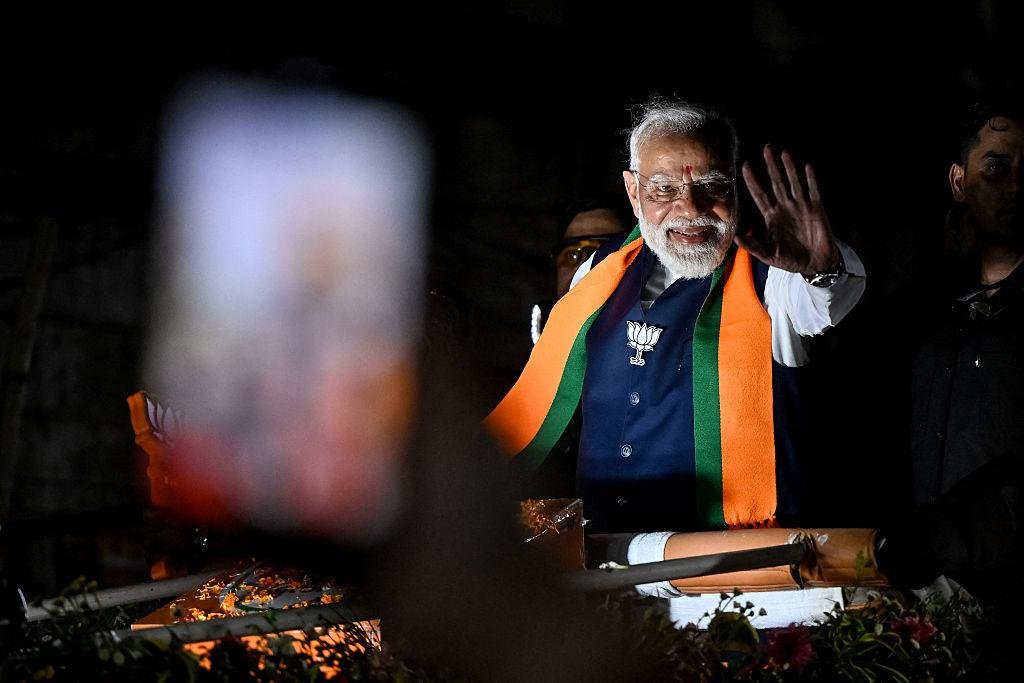
The 2026 West Bengal Assembly election has marked a turning point in Indian politics, as the Bharatiya Janata Party (BJP), led by Prime Minister Narendra Modi, secured a historic victory in a state long dominated by the All India Trinamool Congress (TMC). This win represents the BJP’s first major breakthrough in West Bengal, ending over a decade of rule under Chief Minister Mamata Banerjee.
For years, Banerjee’s leadership and welfare-driven governance helped the TMC maintain strong grassroots support. However, this election saw a significant shift in voter sentiment. Many citizens expressed dissatisfaction with the existing administration, citing issues such as political interference in daily life, unemployment, and a lack of new development initiatives. This growing anti-incumbency sentiment created an opening that the BJP effectively capitalized on.
A key factor in the BJP’s success was its well-organized campaign strategy. The party focused heavily on mobilizing voters across both urban and rural regions, while also addressing aspirational concerns such as economic growth and infrastructure. Additionally, religious polarization played a noticeable role in shaping voter preferences. The BJP projected itself as a representative of Hindu interests, which resonated strongly in certain demographics and contributed to a consolidation of votes in its favor.
Political analysts also highlighted the widening gap between urban and rural voting patterns. Urban voters, particularly men, were more inclined toward the BJP, while rural areas displayed mixed preferences. The demographic distribution of religious communities further influenced these outcomes, amplifying the impact of polarization during the election.
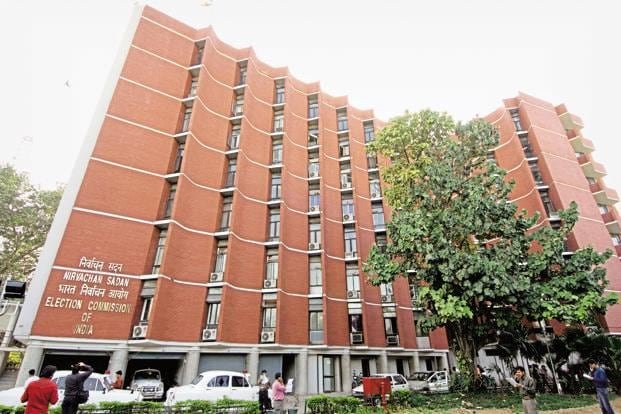
Another controversial aspect of the election was the revision of voter rolls conducted prior to polling. Millions of names were reportedly removed from the electoral list, sparking criticism from opposition parties. The TMC and other critics alleged that the process disproportionately affected minority communities and disadvantaged their voter base. Although the Election Commission of India maintained that the revision was necessary for accuracy, concerns over transparency and fairness remained a subject of intense debate.
The deployment of a large number of central security forces during the election also drew attention. While authorities stated that the move was intended to ensure peaceful voting, opposition leaders argued that it created an atmosphere of intimidation. Despite these concerns, most analysts agree that such factors alone cannot fully explain the BJP’s sweeping victory.
Beyond state politics, the implications of this result are significant at the national level. After facing setbacks in previous national elections, the BJP’s decisive win in West Bengal strengthens its political standing and reinforces Modi’s leadership. It also weakens the opposition’s ability to present a unified challenge in future elections.
Despite the defeat, Mamata Banerjee has signaled that the political battle is far from over. She has urged her party workers to remain vigilant and continue resisting what she described as unfair practices. Observers believe that West Bengal may witness continued political tension in the coming months as both parties consolidate their positions. the BJP’s victory in West Bengal is not just an electoral win but a reflection of shifting political dynamics, driven by anti-incumbency, strategic campaigning, and evolving voter expectations. It marks a new chapter in the state’s history and could reshape the broader political landscape of India.