In a significant legal development, the Supreme Court of India has issued notices to the Union government, all states, and Union Territories over multiple petitions challenging the Transgender Persons (Protection of Rights) Amendment Act, 2026. The law, which was recently passed by Parliament and received presidential approval on March 31, has sparked widespread debate and concern among activists and legal experts.
The petitions argue that the amendment undermines one of the most fundamental rights of transgender individuals—the right to self-identify their gender. According to the challengers, the new law introduces requirements for medical or administrative verification before recognizing a person’s gender identity, which they claim violates constitutional protections.
A bench led by Chief Justice Surya Kant, along with Justice Joymalya Bagchi, has taken cognisance of the issue and referred the matter to a larger three-judge bench for detailed examination. This indicates the seriousness and constitutional importance of the questions raised.
Among those who have approached the court is prominent transgender rights activist Laxmi Narayan Tripathi, along with other members of the community, including individuals associated with the National Council for Transgender Persons. They have challenged the amendment on the grounds that it causes “irreparable harm” to the fundamental rights guaranteed under Articles 14 (equality), 15 (non-discrimination), 19 (freedom), and 21 (right to life and dignity) of the Constitution.
One of the central arguments in the petitions is the removal of provisions that earlier recognized self-perceived gender identity. Activists claim that this deletion directly contradicts the landmark 2014 judgment of the Supreme Court, which affirmed that gender identity is a matter of personal choice and dignity. By removing this protection, the amendment is seen as rolling back hard-won rights.
The petitioners have also criticized the law for introducing what they describe as “gatekeeping mechanisms,” where individuals must undergo medical, psychiatric, or bureaucratic processes to validate their identity. They argue that such requirements violate the right to privacy and personal autonomy, which the Supreme Court has previously upheld as essential components of fundamental rights.
Further concerns have been raised about the amendment’s impact on legal protections. Certain provisions that previously ensured continuity of rights for transgender individuals have reportedly been removed, creating uncertainty about their legal status. Additionally, critics argue that the law continues to inadequately address crimes against transgender persons, with penalties that do not reflect the seriousness of such offences.
Another major issue highlighted in the petitions is the revised definition of a “transgender person.” The earlier definition, which focused on self-identification, has allegedly been replaced with language that could allow external authorities to determine identity, contradicting the principles established by the judiciary.
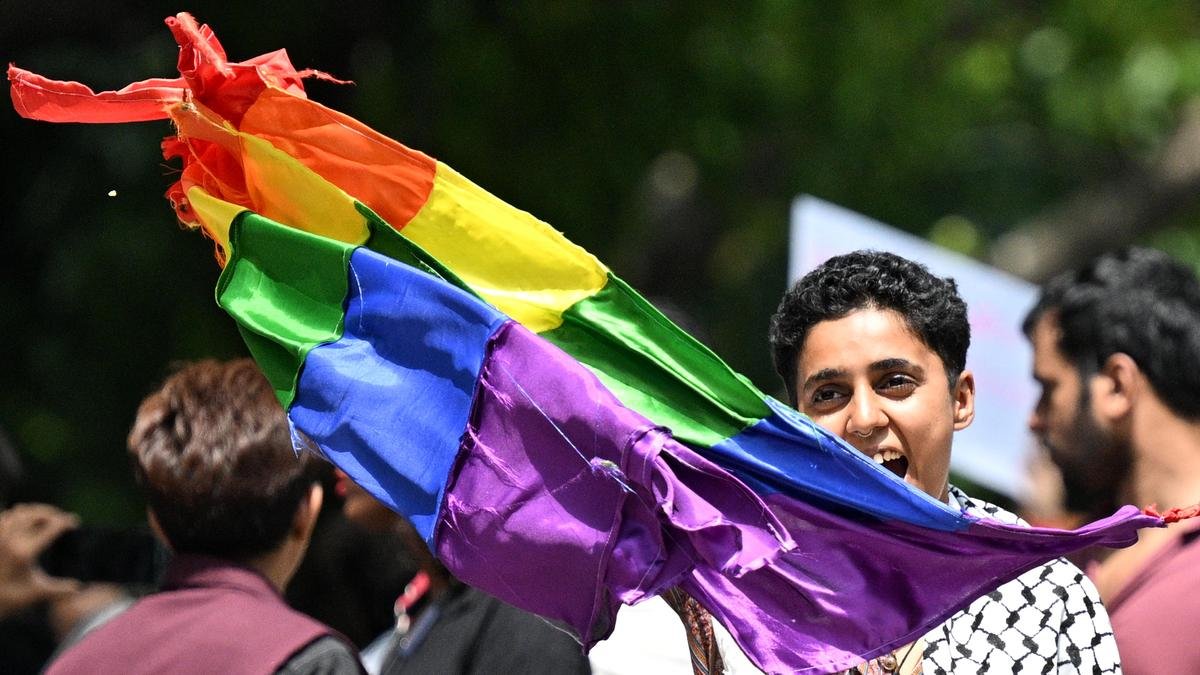
The amendment has also drawn criticism from opposition parties and members of the LGBTQIA+ community, many of whom claim that there was little to no consultation before the bill was introduced and passed. In protest, some members of the National Council for Transgender Persons reportedly resigned, expressing dissatisfaction with the legislative process.
While the government has yet to present its detailed response, the Supreme Court’s decision to examine the issue through a larger bench suggests that the outcome could have far-reaching implications. The case is expected to shape the future of transgender rights in India and determine whether the amendment aligns with constitutional values.
As the legal battle unfolds, the issue has once again brought attention to the ongoing struggle for equality, dignity, and recognition faced by transgender individuals in the country. The final verdict will likely play a crucial role in defining how India balances legislative authority with the protection of fundamental rights.