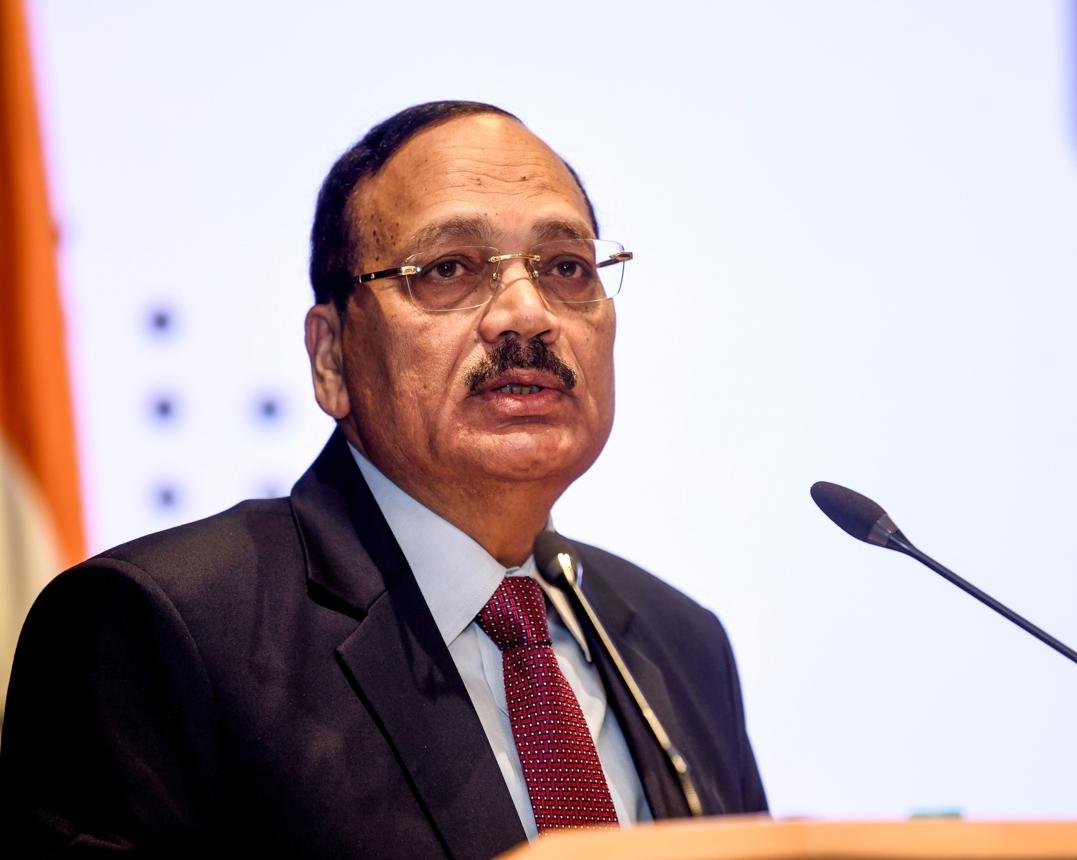
Chief Justice of India Surya Kant has issued a strong clarification following controversy surrounding his recent courtroom remarks that were widely reported by sections of the media. The Chief Justice stated that his comments had been “misquoted” and taken out of context, leading to unnecessary confusion and criticism.
The controversy began after a hearing on Friday in which the Chief Justice made sharp oral observations while dealing with what he described as a “frivolous” plea related to the senior designation of a lawyer. During the hearing, words such as “parasites” and “cockroaches” were reportedly used, sparking intense debate on social media and across news platforms. Some reports suggested that the remarks were aimed at the country’s youth, leading to widespread reactions online.
Responding to the controversy, CJI Surya Kant released a statement expressing disappointment over how his comments were portrayed. He said he was “pained” to see sections of the media misrepresenting his observations. According to the Chief Justice, his criticism was specifically directed at individuals who enter respected professions using fake or fraudulent qualifications. He clarified that his remarks had nothing to do with the youth of the nation.
The Chief Justice explained that he was referring to people who manage to enter professions such as law through bogus degrees and dishonest means. He added that similar individuals have also entered other respected fields, including media and social media, thereby harming the integrity of those professions. In that context, he used the term “parasites” to describe such people.
CJI Surya Kant strongly rejected claims that he had insulted India’s younger generation. He said he has immense respect and admiration for the youth of the country and considers them the backbone of India’s future. He emphasized that young Indians continue to inspire him through their talent, hard work, and dedication.
In his statement, the Chief Justice also highlighted the important role young people will play in building a developed India. He noted that India’s present and future human resources are among the nation’s greatest strengths. According to him, the younger generation represents innovation, progress, and the aspirations of a rapidly growing nation.
The clarification comes at a time when discussions around media reporting and courtroom observations have become increasingly sensitive. Legal experts often point out that oral remarks made during court proceedings are not always part of the final judicial order and can sometimes be misunderstood when reported without full context. The incident has once again raised questions about responsible reporting and the importance of accurately presenting judicial statements.
Meanwhile, several members of the legal community have backed the Chief Justice’s clarification, stating that his observations were clearly aimed at corruption and misuse of professional systems rather than students or young citizens. Many have argued that the controversy was amplified due to selective reporting and social media reactions.
The issue has now become a broader conversation about ethics in professions, fake qualifications, and the role of media in shaping public perception. While the controversy sparked strong debate initially, the Chief Justice’s statement appears to have clarified the intent behind his remarks and addressed concerns raised by different sections of society.