A recent hearing in the Supreme Court of India brought renewed attention to the controversy surrounding the social media movement known as the “Cockroach Janata Party.” During proceedings, Chief Justice of India Surya Kant advised a petitioner not to become overly emotional about the issue, emphasizing that legal matters should be approached with balance and patience rather than sentiment.
The remarks came when an advocate sought urgent listing of a petition connected to the ongoing debate surrounding the movement. The lawyer argued that despite previous clarifications made by the Chief Justice, certain individuals and groups were continuing to spread what he described as a distorted and malicious narrative. In response, the Chief Justice remarked that the issue should not be taken so personally or emotionally, indicating that the legal system would address matters through established procedures.
The controversy has its roots in an earlier court hearing where comments made during oral arguments became the subject of widespread discussion online. During that hearing, the Chief Justice used the term “cockroaches” while referring to individuals who, according to the court’s observations, misuse online platforms and activism for questionable purposes. The comment quickly gained attention on social media and led to various interpretations.
As public debate intensified, many social media users connected the remark to unemployed youth and online activists. However, the Chief Justice later clarified that his observations were directed toward individuals allegedly possessing fake educational qualifications and not toward unemployed young people in general. Despite the clarification, discussions continued across multiple online platforms.
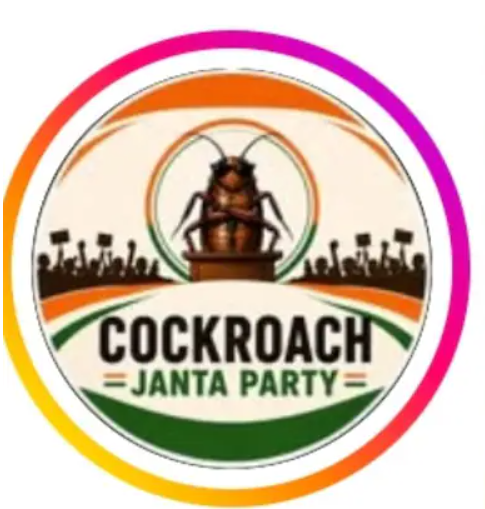
In the days that followed, the “Cockroach Janata Party” emerged as a satirical online movement. The movement gained significant traction, attracting millions of followers within a short period. Its supporters used humor, memes, and social commentary to criticize institutions and discuss issues related to employment, governance, and freedom of expression. The rapid growth of the movement demonstrated the influence of social media in shaping public discourse around judicial and political matters.
However, the movement also generated legal concerns. Several petitions were filed seeking judicial intervention regarding content related to the movement. One such petition reportedly requested measures to prevent the monetization of oral remarks made during court proceedings. Another petition sought a broader investigation into allegations involving fake lawyers and questionable credentials within the legal profession.
When these matters were mentioned before the court for urgent hearing, the Chief Justice indicated that there was no immediate urgency requiring special listing. He stated that the petitions would be considered according to the regular judicial process and scheduled in due course. The court’s response suggested a preference for allowing the normal legal framework to address the issues rather than treating them as exceptional matters.
The episode highlights the growing intersection between judicial proceedings and social media culture in modern India. Comments made in court can quickly become viral topics online, generating public debate, satire, and political discussion. At the same time, courts continue to emphasize the importance of context, accuracy, and responsible interpretation of judicial observations.
As the petitions move through the legal process, the controversy surrounding the “Cockroach Janata Party” remains a notable example of how courtroom remarks can evolve into nationwide social media movements. Whether the issue ultimately leads to broader legal guidelines regarding online commentary and court proceedings remains to be seen.