
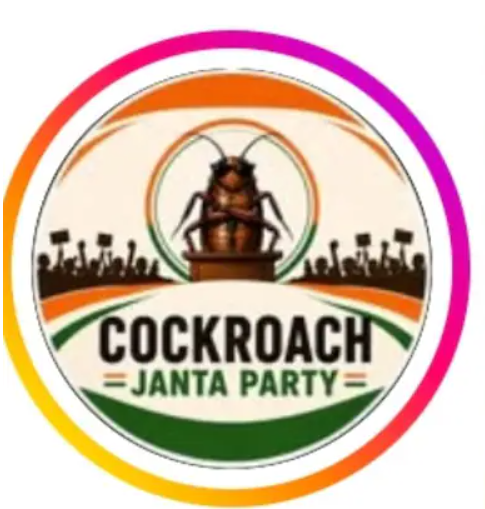
Congress MP Shashi Tharoor has sparked fresh political debate after criticizing the blocking of the social media account of the satirical platform known as the “Cockroach Janata Party” (CJP). The account, which gained significant popularity among young social media users in a matter of days, was withheld in India following a legal request, triggering discussions about freedom of expression, political satire, and youth engagement in democracy.
Tharoor expressed concern over the decision to block the platform’s account, arguing that democratic societies should provide space for citizens—especially young people—to express their opinions, frustrations, and aspirations. According to him, satire and humor have always played an important role in political discourse, serving as tools through which people can question authority, challenge ideas, and participate in public debate.
The Congress leader said he was fascinated by the rapid rise of the Cockroach Janata Party, which managed to attract millions of followers on social media within a remarkably short period. The platform’s popularity reflects a growing desire among young Indians to engage with political issues in unconventional ways. Many followers appear to view the platform as a humorous yet relatable commentary on contemporary politics and governance.
The CJP describes itself as a youth-driven movement and claims to represent the concerns of young citizens, particularly those who feel disconnected from traditional political institutions. Through satire, memes, and online campaigns, the platform has managed to capture widespread attention and generate conversations across social media platforms.
Reacting to the account’s suspension, Tharoor stated that preventing such platforms from operating could be counterproductive. He argued that when young people feel unheard or ignored, platforms that allow them to voice their concerns become even more important. Instead of restricting expression, he suggested that democratic systems should encourage open discussion while allowing citizens to share their views peacefully and creatively.
Tharoor emphasized that dissent, satire, criticism, and even frustration are natural elements of a healthy democracy. He believes that providing an outlet for these emotions can strengthen democratic participation rather than weaken it. In his view, political leaders should listen carefully to the sentiments being expressed through such movements rather than dismissing them outright.
While acknowledging that the long-term future of the Cockroach Janata Party remains uncertain, Tharoor expressed hope that the energy and enthusiasm demonstrated by its supporters could eventually be directed toward constructive participation in mainstream politics. Whether through voting, activism, policy discussions, or public service, he believes young people should be encouraged to become active stakeholders in shaping the country’s future.
The Congress MP also offered strategic advice to opposition parties. He suggested that the growing popularity of youth-led online movements represents an opportunity that political parties should not ignore. According to him, the rapid success of the platform highlights a gap between traditional political messaging and the concerns of younger generations.
The Cockroach Janata Party’s manifesto, though presented in a satirical manner, includes a range of proposals that have generated discussion online. Supporters see the platform as a reflection of youth frustration with existing political structures, while critics question whether it can translate online popularity into meaningful political influence.
As debates continue over the platform’s suspension, the controversy has reignited broader conversations about free speech, digital expression, political satire, and the evolving role of social media in modern democracy. Regardless of its future, the rise of the Cockroach Janata Party has demonstrated the growing influence of youth-driven political engagement in India’s digital age.