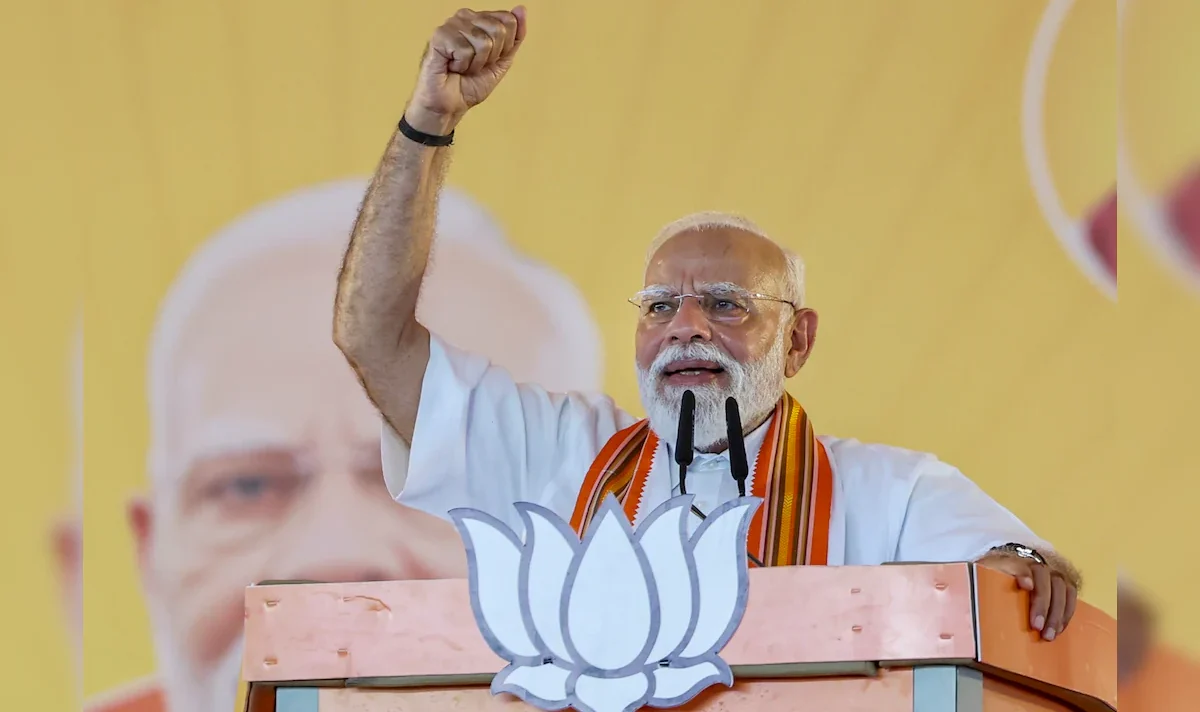
A day after Narendra Modi urged Indians to avoid unnecessary foreign trips and overseas weddings for a year, India’s tourism and hospitality industry responded by supporting the appeal while also stressing the importance of attracting more international tourists to the country.
The Federation of Associations in Indian Tourism and Hospitality (FAITH), one of the leading tourism industry bodies in India, said that while reducing outbound travel could help conserve foreign exchange reserves, India must simultaneously focus on increasing tourism revenue from foreign visitors.
FAITH Secretary General Rajiv Mehra agreed with the Prime Minister’s concerns about the country’s foreign exchange situation. He explained that global uncertainties, especially tensions involving Iran and the United States, have created economic pressure worldwide. In such a situation, limiting non-essential spending abroad could help reduce the outflow of valuable foreign currency from India.
In recent years, there has been a major rise in the number of Indians travelling abroad for vacations, shopping, luxury experiences, and destination weddings. Wealthy families are increasingly choosing international locations such as Dubai, Thailand, Europe, and island resorts for grand wedding celebrations, which often involve huge spending in foreign currency.
According to the tourism industry, the Prime Minister’s message highlights the need for responsible spending during uncertain economic conditions. However, FAITH believes that India should not only focus on reducing foreign exchange outflow but also on increasing foreign exchange earnings through tourism.
Rajiv Mehra said India has enormous tourism potential because of its rich cultural heritage, natural beauty, spirituality, wildlife, beaches, mountains, cuisines, and historical monuments. Despite these strengths, India still attracts far fewer international tourists compared to several other major global tourism destinations.
He pointed out that India currently receives around two crore foreign tourists annually, which is much lower than its actual potential. According to him, with the right government policies and stronger international marketing, India could become one of the world’s top tourism destinations.
The tourism body suggested several measures to improve India’s tourism sector. These include easing visa rules for international travellers, improving international flight connectivity, upgrading tourism infrastructure, and promoting Indian tourism aggressively in global markets.
Industry experts believe India’s tourism image abroad still needs stronger branding and better promotion. While countries like Thailand, Singapore, the UAE, and Maldives invest heavily in tourism campaigns, India’s global tourism marketing has often remained limited despite its massive cultural and geographical diversity.
The tourism sector also believes domestic tourism should be encouraged more actively. Instead of spending heavily on foreign holidays, Indian travellers can explore destinations within the country, including Kashmir, Northeast India, Kerala, Rajasthan, Himachal Pradesh, Goa, and spiritual centres such as Varanasi and Rishikesh.
Experts say strengthening domestic tourism would not only save foreign exchange but also create jobs and support local businesses, hotels, transport services, handicrafts, and small tourism-based economies across India.
At the same time, tourism leaders stressed that long-term success will depend on balancing both domestic and international tourism growth. While encouraging Indians to travel within the country, India must also become more attractive and accessible for foreign travellers.
As economic uncertainty and geopolitical tensions continue globally, the tourism industry sees this moment as an opportunity for India to rethink its tourism strategy and position itself as a leading global travel destination.